

How Can You Support the Health of a Senior Dog or Cat?
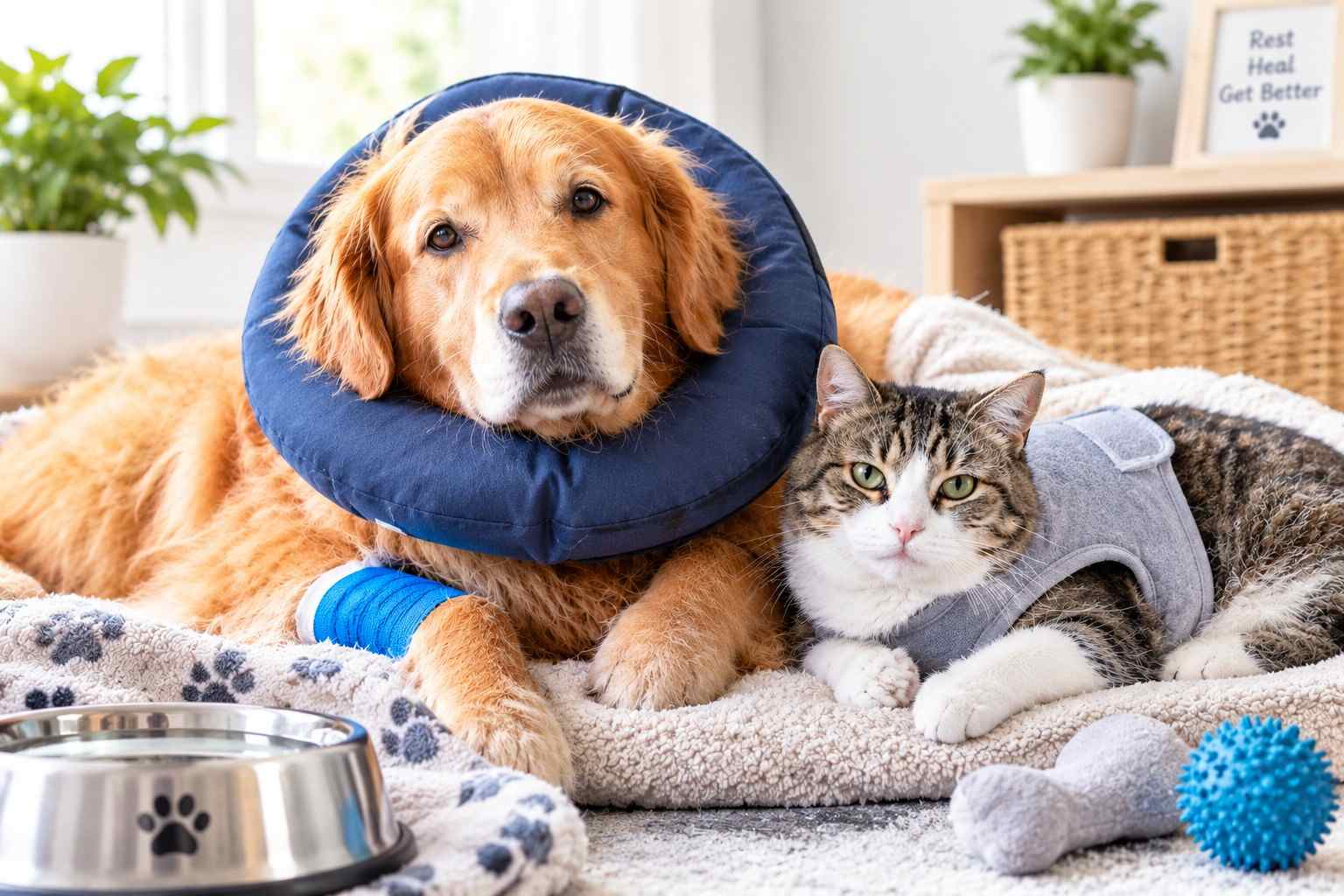
Watching a dog or cat grow older can bring a mix of emotions. They may slow down, sleep more, or need a little extra help with everyday routines. At the same time, their changing needs can give you new opportunities to support their comfort and overall wellness.
Senior pets benefit from thoughtful care that considers more than one part of their lives. Diet, supplements, health monitoring, treatment choices, and even financial planning can all become part of the conversation.
TL;DR: Supporting a senior dog or cat means paying attention to their changing nutritional, health, and daily needs. Take our “Holistic Healthcare for Senior Animals” course to learn about a five-point wellness plan covering diet, supplementation, diagnostics, treatment, and financial planning as your pet ages.
What Changes as Dogs and Cats Get Older?
Aging looks different from one animal to another.
Some senior dogs may become less active or need more time to get comfortable after resting. Cats can become less interested in activities they once enjoyed or change their daily routines. These changes aren’t always something to simply chalk up to age.
Regular observation matters. Knowing your pet’s normal appetite, energy level, mobility, bathroom habits, and behavior makes it easier to notice when something has changed.
Your veterinarian can also help determine whether a change is part of normal aging or a sign of an underlying health concern.
Why Does Nutrition Matter for Senior Pets?
Food is one piece of a senior pet’s wellness plan.
As dogs and cats age, their nutritional needs can change. The right diet depends on the individual animal, including factors such as health status, activity level, body condition, and existing medical concerns.
The AWA course explores why a natural diet can be part of senior pet care and introduces supplements such as probiotics, choline, and omega-3s.
That doesn’t mean every senior dog or cat needs the same food or supplements. Instead, it gives pet parents useful topics to discuss with their veterinary team when considering their animal’s individual needs.
How Can Regular Testing Help Senior Dogs and Cats?
Senior pets deserve close attention to their health, even when they seem fine.
Routine veterinary examinations and laboratory testing can help identify changes that aren’t obvious at home. The course specifically explores how regular lab testing can help catch age-related conditions earlier.
That information can be valuable when making decisions about your pet’s care. A change found through testing may call for further evaluation, dietary adjustments, treatment, or simply continued monitoring.
Your veterinarian can help determine which tests make sense for your individual dog or cat.
What About Natural Therapies for Senior Animals?
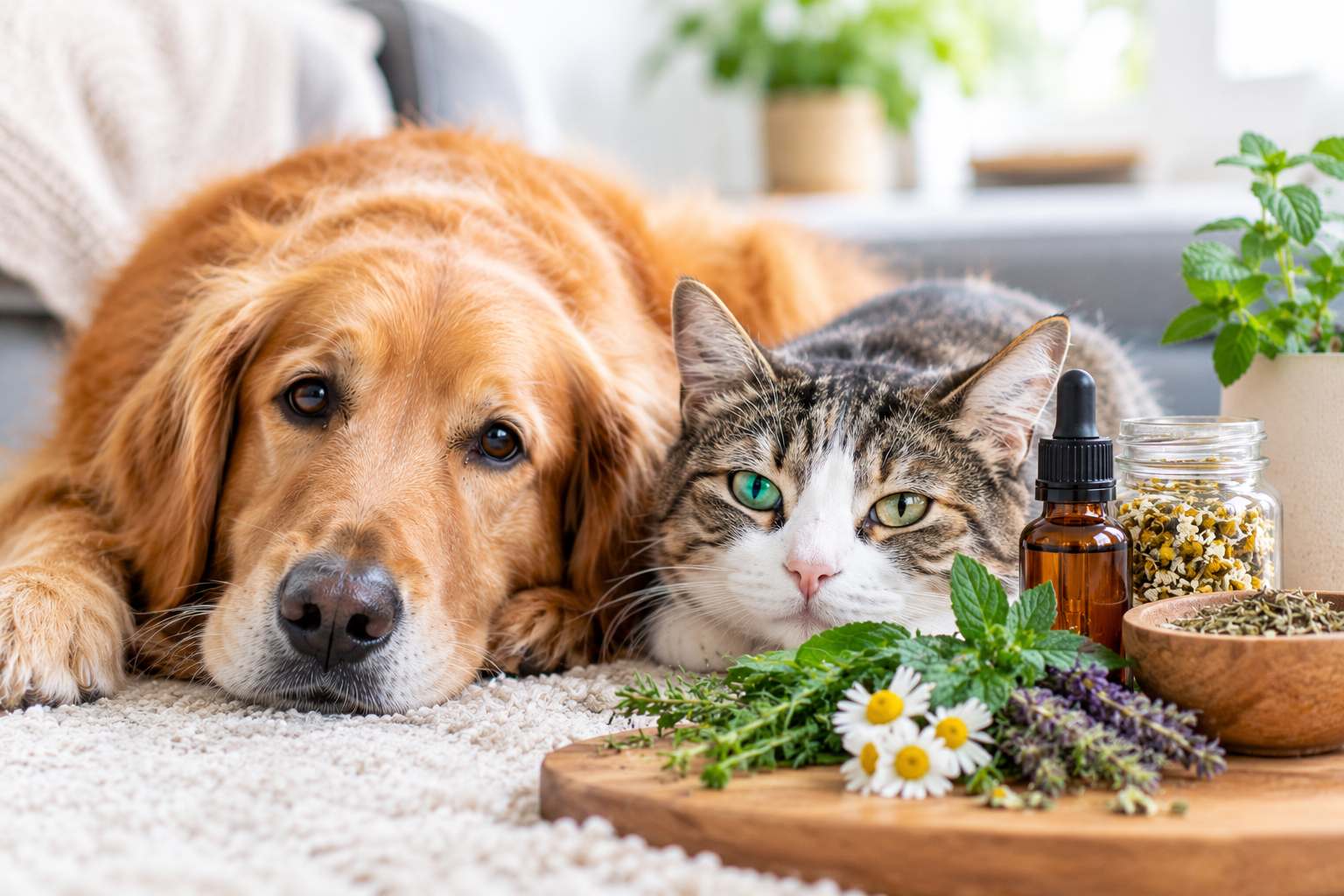
Some pet parents are interested in natural or complementary therapies as their animals age. The course introduces natural therapies as part of its broader five-point wellness plan and discusses their potential role in senior pet care.
The goal isn’t to assume that one approach works for every animal. Senior dogs and cats have different histories, health concerns, medications, and tolerances.
Any change to your pet’s treatment plan should be discussed with your veterinarian, particularly if your dog or cat already has a diagnosed condition or takes medication.
Why Should Pet Parents Think About Financial Planning?
Senior pet care can sometimes involve more veterinary visits, diagnostic testing, medications, or other treatments.
Planning ahead can make those decisions less stressful. The AWA course includes financial planning as one of its five areas of senior pet wellness and discusses why pet insurance can become especially relevant as an animal gets older.
It’s a practical part of caring for a senior companion that can be easy to overlook.
What Can You Learn From This Course?
Holistic Healthcare for Senior Animals offers a focused introduction to a five-point wellness plan for aging dogs and cats. The course covers diet, supplementation, diagnostics, treatment, and financial planning, giving pet parents a broader way to think about senior care.
The course is taught by veterinarian Dr. Shawn Messonnier and includes one lesson, a quiz, and a course certificate.
Take Our Course: “Holistic Healthcare for Senior Animals”
Our Holistic Healthcare for Senior Animals course explores a five-point wellness plan designed specifically for senior dogs and cats. You’ll learn more about nutrition, supplements, regular testing, natural therapies, treatment considerations, and financial planning as your pet ages.
If you’re caring for an older dog or cat, this course can give you a starting point for thinking about their changing needs and having more informed conversations about their care.
Frequently Asked Questions
How can I support my senior dog or cat’s health?
Start by paying attention to changes in appetite, activity, mobility, behavior, and other daily habits. Regular veterinary care can also help monitor your pet as they age.
Do senior dogs and cats need different nutrition?
Their nutritional needs can change with age, but there isn’t one diet that is right for every senior pet. Your veterinarian can help determine what is appropriate based on your animal’s individual health and lifestyle.
Are supplements helpful for senior pets?
Some supplements may be appropriate for individual senior dogs or cats. The AWA course discusses options including probiotics, choline, and omega-3s, but supplements should be considered based on the individual pet and discussed with a veterinary professional.
Why are regular tests important for senior pets?
Regular veterinary examinations and laboratory testing can help identify health changes that may not be obvious at home. Your veterinarian can recommend appropriate monitoring for your dog or cat.