
How Can You Help Your Dog or Cat Recover After Surgery?
Bringing your dog or cat home after surgery can feel like a relief, but recovery is only beginning. Your companion may need extra rest, a safer place to move around, and some changes to their usual routine while they heal.
Good home care isn’t about doing everything for your pet. It’s about creating an environment that supports recovery while following the instructions provided by your veterinary team.
TL;DR: After surgery, dogs and cats need a comfortable, safe environment where they can rest and recover without unnecessary strain. Take our “Home Care After Surgery” course to learn practical safety and design tips for creating a better recovery space and supporting your pet through rehabilitation.
Why Does the Home Environment Matter After Surgery?
Your pet’s normal routine may need to change for a while after an operation.
Jumping onto furniture, climbing stairs, running through the house, or playing with another pet may not be appropriate during recovery. Even simple activities can put more demands on a healing animal than you might expect.
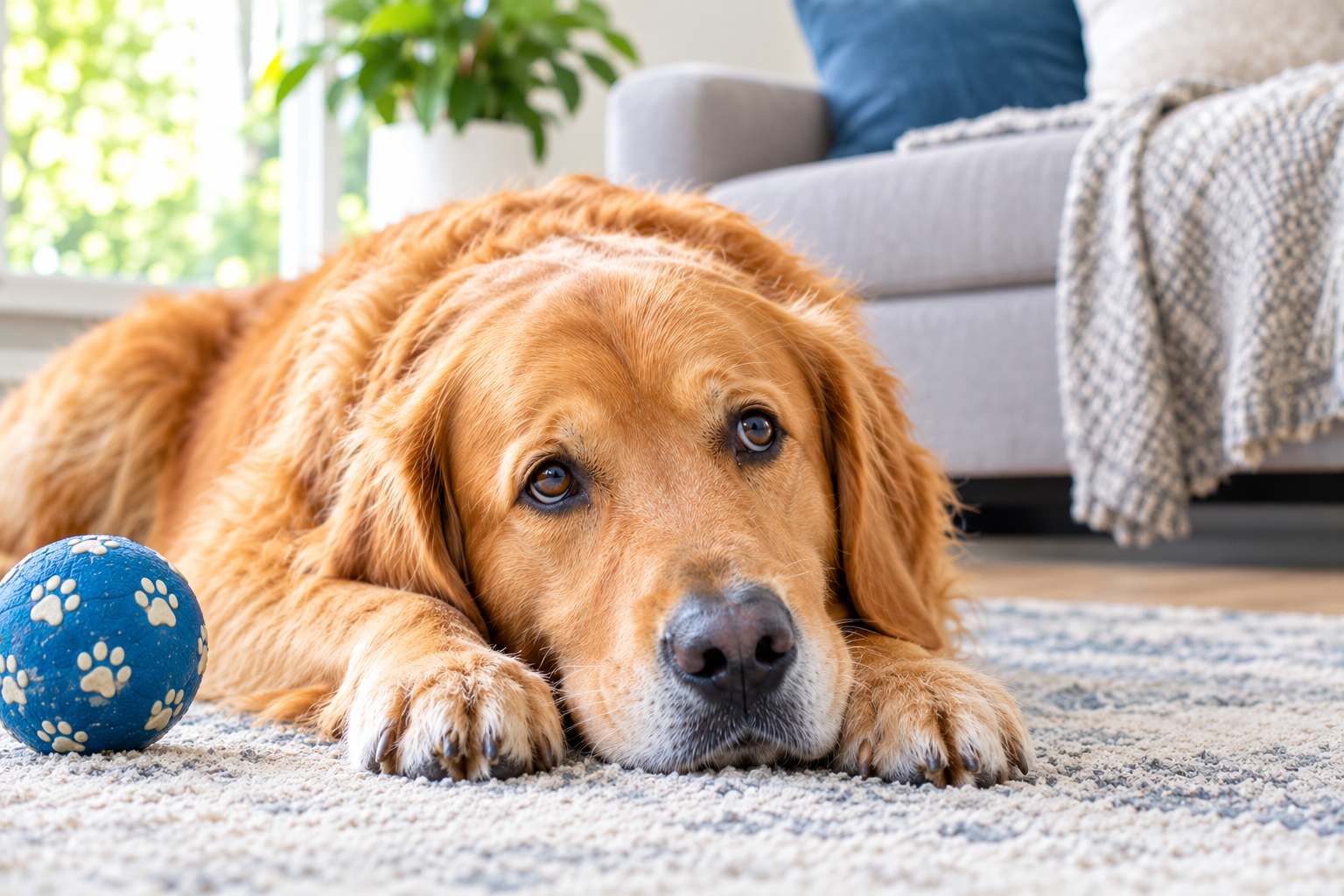
A well-planned recovery area can help limit unnecessary movement while giving your dog or cat a comfortable place to rest. Think about where your pet normally spends time and what could make that space safer during recovery.
For some pets, that may mean moving their bed to a quiet area on the floor. For others, you may need to limit access to stairs or create a smaller space where activity is easier to manage.
How Can You Make Recovery More Comfortable?
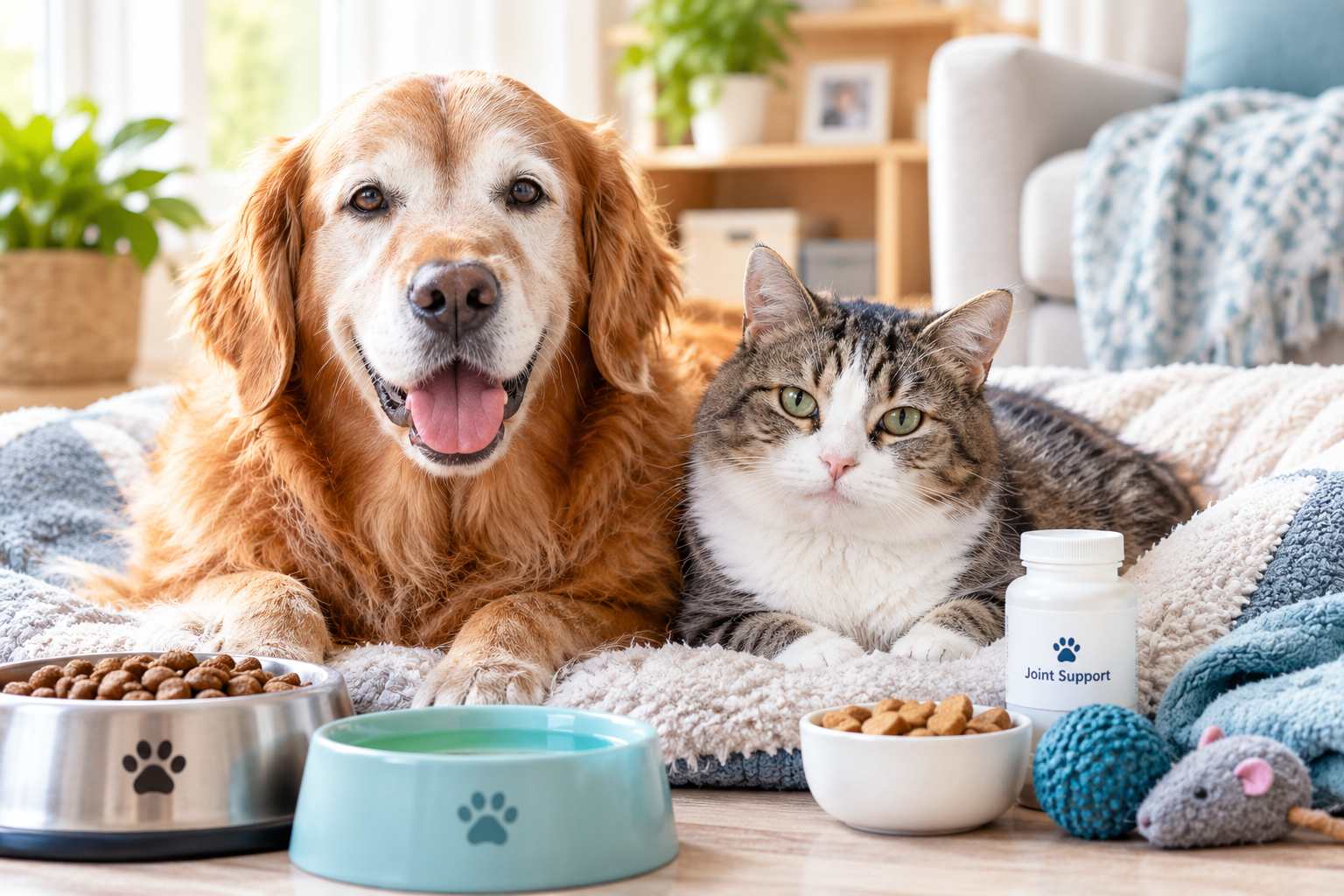
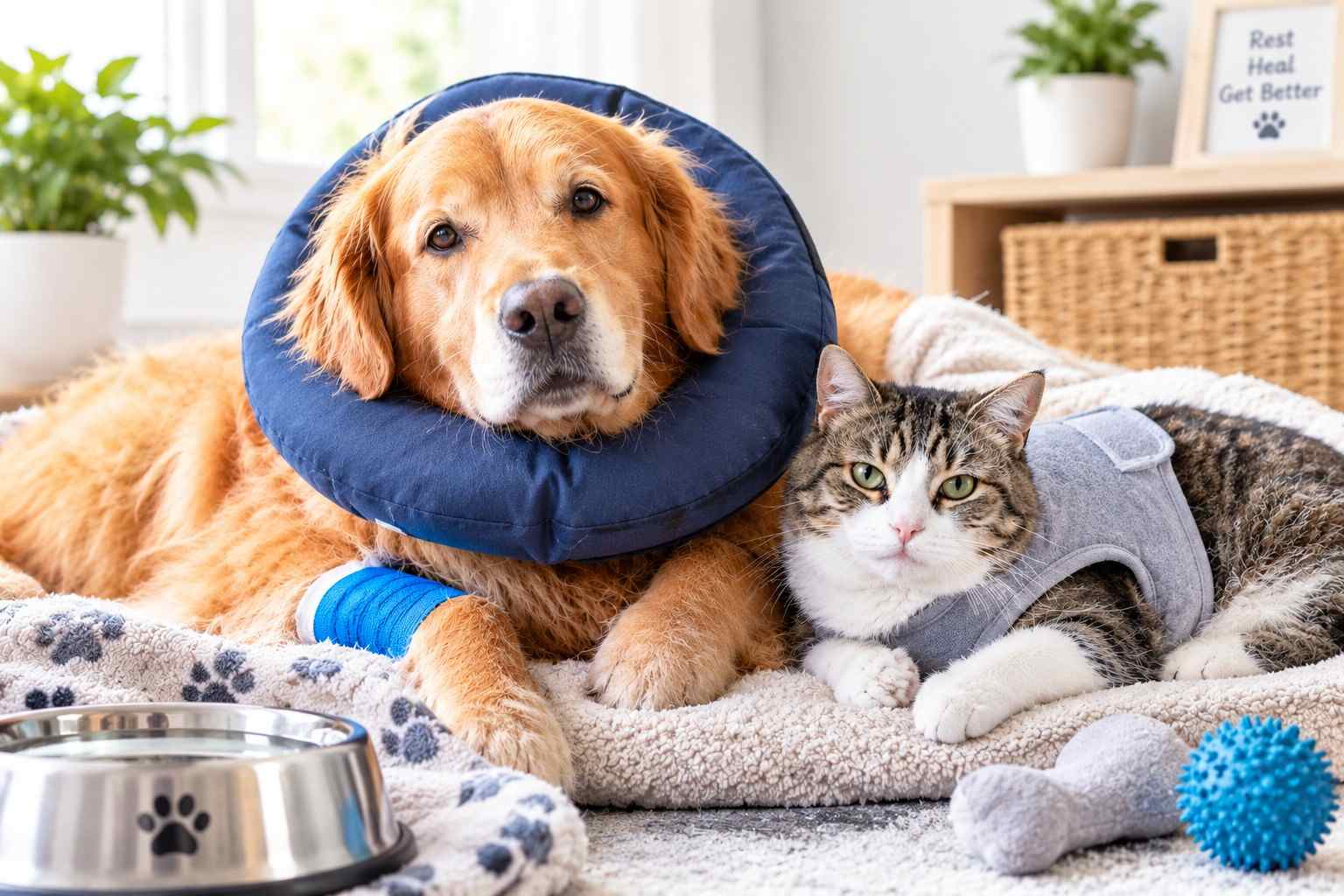
Start with the basics: a clean, comfortable place to rest, easy access to water, and anything else your veterinarian has recommended.
Your pet may also appreciate having familiar bedding nearby. Keep the recovery area somewhere that allows you to check on them without creating constant activity around them.
Dogs and cats have different habits, so their recovery spaces may look different, too. A dog might need help avoiding stairs or jumping, while a cat may need temporary limits on climbing and other high-energy activities.
Pay attention to your companion’s behavior. Changes in appetite, energy, movement, or comfort can be useful information to share with your veterinary team.
What Should You Do About Exercise After Surgery?
Rest is an important part of recovery, but your pet’s activity restrictions should come from their veterinarian and depend on the procedure they underwent.
Don’t assume that a pet who seems energetic is ready to return to normal activity. Some animals may feel better before the surgical site or underlying tissues have fully recovered.
Follow the specific instructions you’re given about walks, play, stairs, jumping, and other activities. If you’re unsure whether something is appropriate, ask before letting your dog or cat try it.
How Can You Support Rehabilitation at Home?
Home rehabilitation can involve more than simply keeping your pet still.
Depending on the surgery and your veterinarian’s recommendations, recovery may include specific exercises, movement restrictions, environmental adjustments, or other forms of supportive care.
The Home Care After Surgery course focuses on safety and design tips that can help make home care and rehabilitation more comfortable for dogs and cats. Rather than trying to improvise after your pet comes home, learning what to consider ahead of time can help you prepare.
What Can You Learn From This Course?
The AWA Home Care After Surgery course is designed for pet owners, as well as pet professionals and veterinarians. It focuses on what you can do at home to help a dog or cat recover after surgery and stay as comfortable as possible.
The course is taught by DeAnna Radaj and includes one lesson, one quiz, and a course certificate.
If your dog or cat has an upcoming procedure, the course can give you another opportunity to think through the home environment and practical aspects of recovery before you need them.
Take Our Course: “Home Care After Surgery”
Our Home Care After Surgery course explores safety and design tips for helping dogs and cats recover comfortably at home after surgery.
You’ll learn more about creating a supportive home environment and the practical considerations that can make the recovery period easier for both you and your companion.
Frequently Asked Questions
How can I make my home safer for a dog or cat after surgery?
Create a comfortable recovery area and follow your veterinarian’s instructions about movement, stairs, jumping, exercise, and other activities. The right setup depends on your pet and their procedure.
Should my pet be completely inactive after surgery?
Not necessarily. Activity restrictions vary depending on the surgery and your veterinarian’s recommendations. Follow the specific recovery instructions provided for your dog or cat.
What should I watch for during my pet’s recovery?
Pay attention to changes in appetite, energy, movement, behavior, and comfort. If something seems unusual or you are concerned about your pet’s recovery, contact your veterinary team.
Can I prepare my home before my pet’s surgery?
Yes. Preparing a comfortable recovery area and thinking about how your pet normally moves around the house can make it easier to follow post-surgery restrictions once they come home.