
How Can You Protect Your Dog From Skin Cancer?
Your dog loves sunbathing in the yard, joining you on hikes, or stretching out on the patio. Sunshine can make outdoor time enjoyable, but too much ultraviolet (UV) exposure can damage a dog’s skin. In some cases, sun damage can contribute to skin cancer.
A thick coat offers some protection, but it doesn’t make every dog immune. Dogs with thin or light-colored coats, pink skin, or areas with little hair may need extra care. Knowing how to reduce sun exposure and spot unusual skin changes can help you protect your canine companion.
TL;DR: Protecting your dog from skin cancer starts with limiting excessive sun exposure, checking their skin regularly, and asking your veterinarian about suitable sun protection. Learn more about prevention and skin care with Animal Wellness Academy’s How to Protect Your Dog From Skin Cancer course.
Can Dogs Get Skin Cancer From Sun Exposure?
Yes. Dogs can develop skin cancer, and UV radiation is a known risk factor for certain types, including squamous cell carcinoma. However, not every skin tumor is caused by sunlight, and some forms of canine skin cancer have different risk factors. <Cite refs={[“turn623393search2″,”turn623393search3”]}/>
A dog’s fur provides some natural protection, but its effectiveness depends on coat thickness, coverage, and pigmentation. Areas with sparse hair or exposed skin may be more vulnerable, including the nose, ear tips, and belly.
Dogs with light-colored skin, pink noses, thin coats, or hairless bodies may need extra attention during sunny weather. Still, any dog can develop skin cancer, so regular skin checks matter regardless of breed or coat color.
How Can You Reduce Your Dog’s Sun Exposure?
You don’t have to keep your dog indoors all day to help protect their skin. A few adjustments can make outdoor time safer.
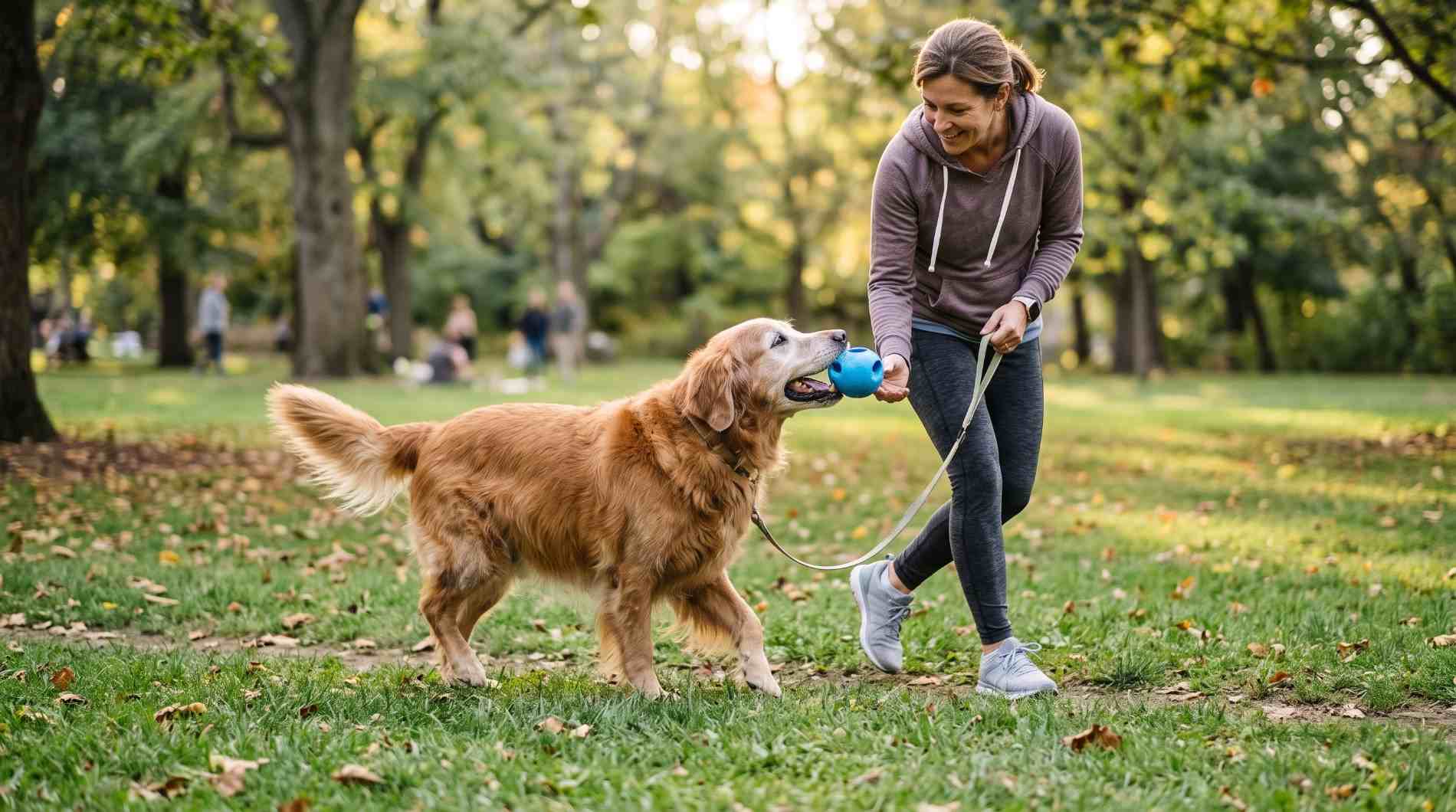
- Choose cooler, less sunny hours. Schedule walks and outdoor play for early morning or later in the day when practical.
- Provide shade. Make sure your dog has a shaded place to rest when spending time outdoors.
- Consider protective clothing. Dog-specific UV-protective shirts may help cover areas exposed to sunlight.
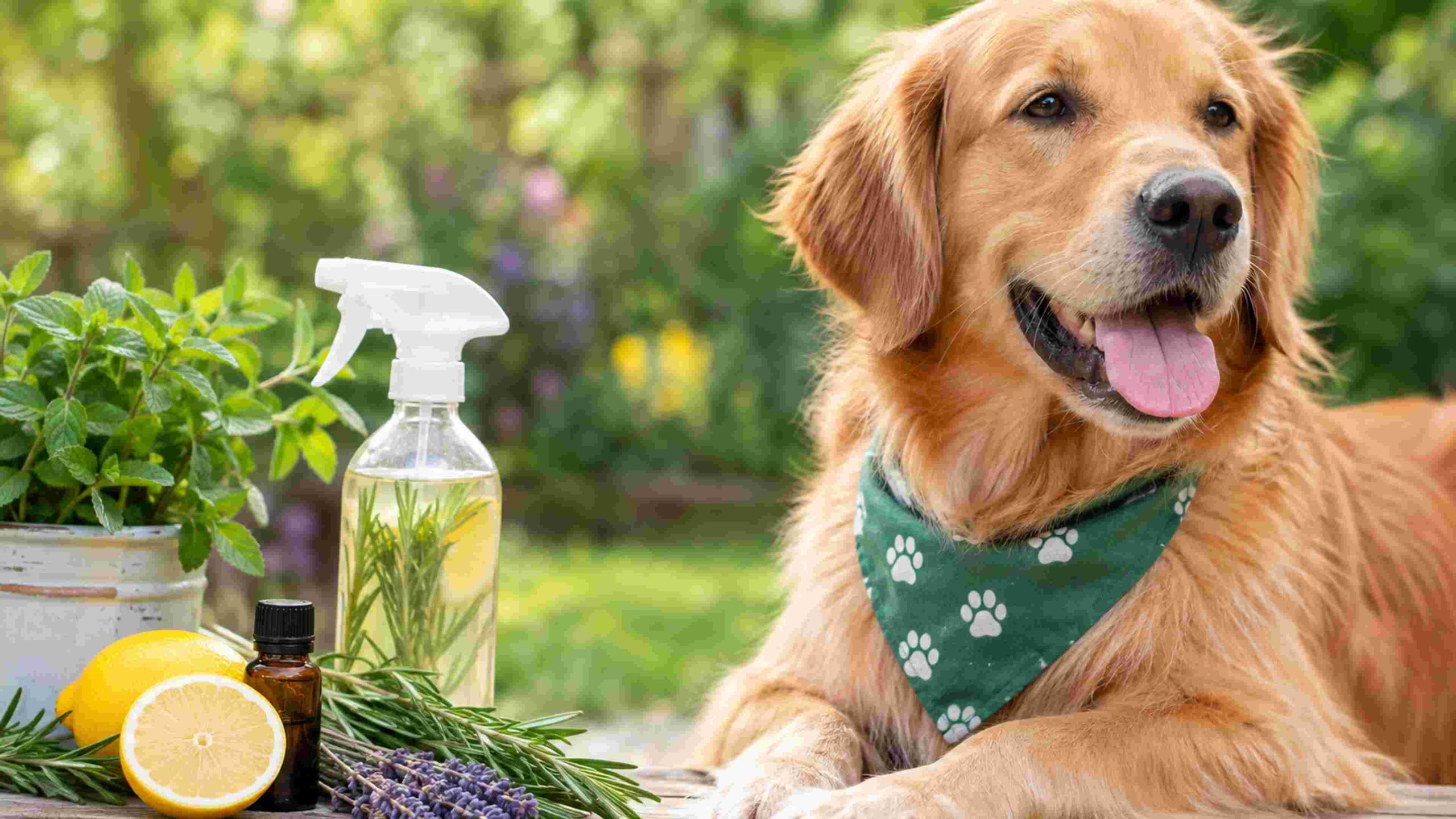
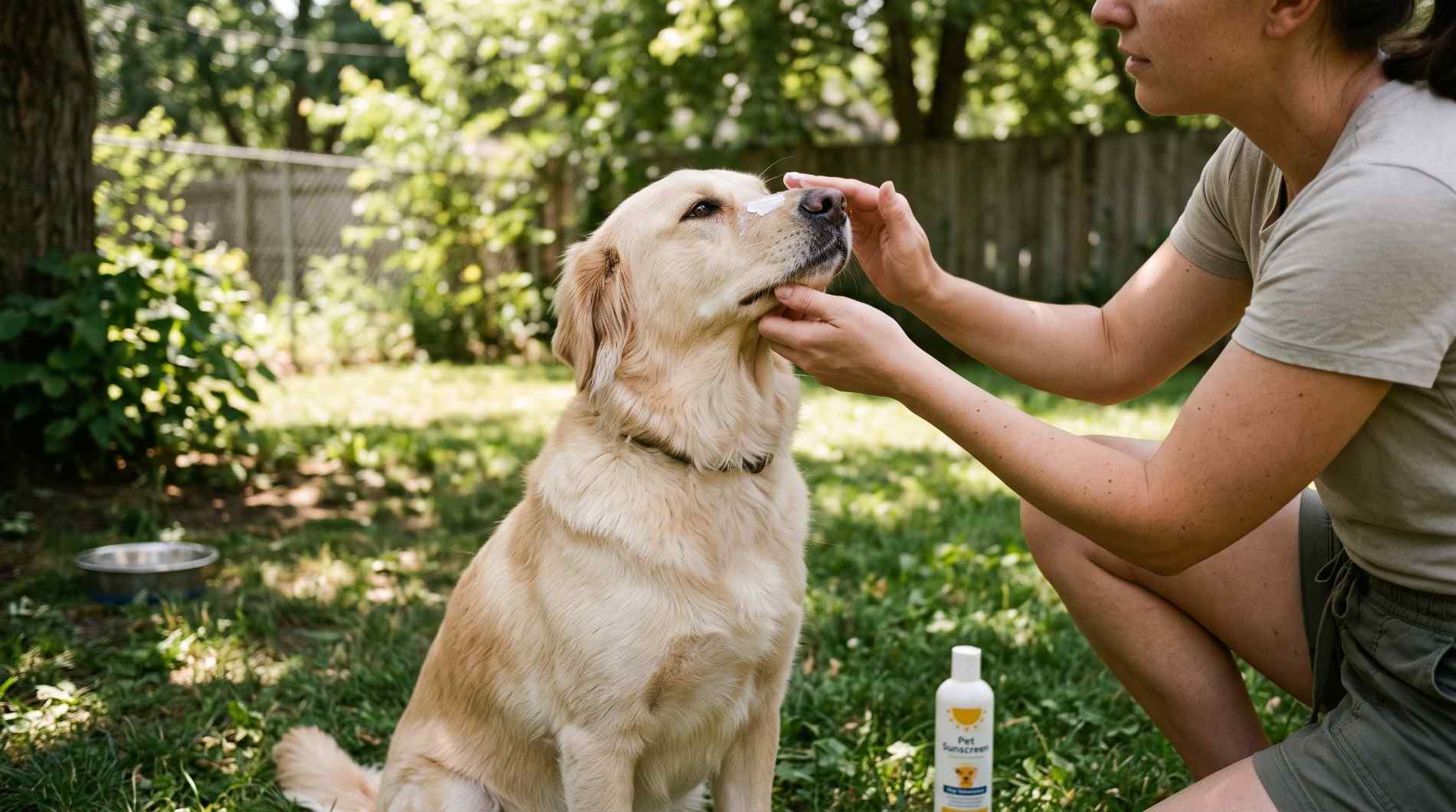
- Ask about dog-safe sunscreen. Your veterinarian can recommend an appropriate product for vulnerable areas.
Avoid assuming that sunscreen made for people is safe for dogs. Some ingredients, including zinc oxide and PABA, can be harmful if swallowed. Dogs may lick products from their skin, so check with your veterinarian before applying sunscreen. <Cite refs={[“turn623393search2″,”turn623393search0”]}/>
What Skin Changes Should Dog Parents Watch For?
Regularly checking your dog’s skin can help you notice changes that deserve veterinary attention.
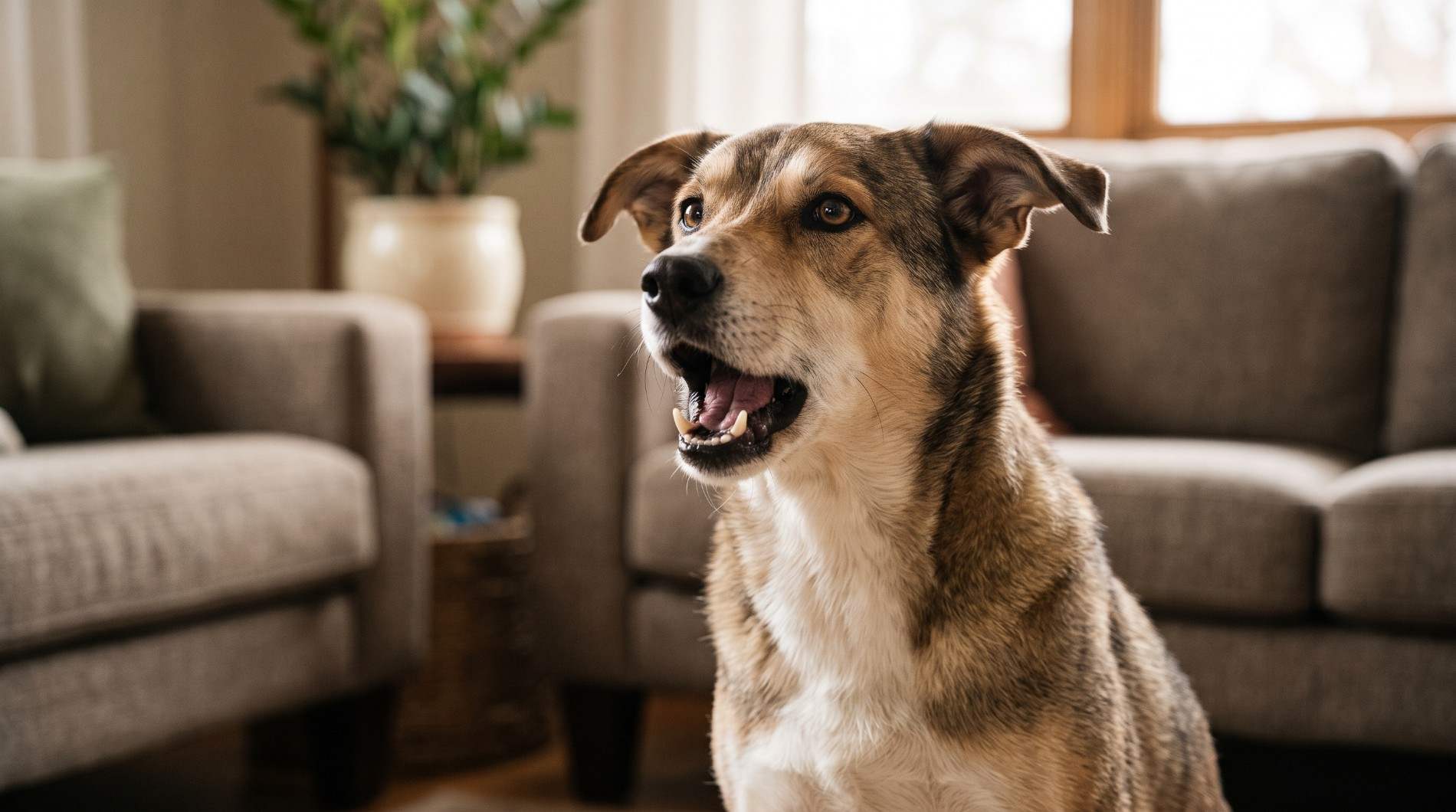
Look for new lumps, bumps, sores that don’t heal, unusual patches of discoloration, or growths that change in size or appearance. Some tumors may look red, dark, raised, or irritated, but appearances alone can’t tell you whether a growth is cancerous.
Make skin checks part of your grooming routine. Gently look over your dog’s nose, ears, belly, and other areas where the coat is thin. If you find something new or changing, arrange a veterinary examination rather than waiting to see what happens.
Your veterinarian may recommend tests, such as sampling cells or taking a biopsy, to identify a suspicious growth. Early assessment can help determine the next steps.
Can You Prevent Skin Cancer in Dogs Completely?
No prevention method can guarantee that your dog will never develop skin cancer. Some tumors arise for reasons that aren’t fully understood, and not all are linked to sunlight.
Still, reducing unnecessary UV exposure, using appropriate sun protection, and arranging regular veterinary checkups are sensible ways to support your dog’s skin health. Don’t shave your dog’s coat for sun protection purposes without professional guidance, as the role of the coat varies by breed and coat type.
If you notice a persistent sore or a changing lump, don’t rely on sunscreen or home remedies to address it. Get your dog checked by a veterinarian.
Take Our Course: “How to Protect Your Dog From Skin Cancer”
Want to learn more about protecting your dog’s skin and recognizing potential warning signs?
Animal Wellness Academy’s How to Protect Your Dog From Skin Cancer course offers a way to explore this important topic and build your understanding of prevention and skin health.
Frequently Asked Questions
Are some dogs more vulnerable to skin cancer?
Dogs with thin or light-colored coats, pink skin, or areas with little hair may be more vulnerable to sun damage. However, any dog can develop skin cancer.
Should I put sunscreen on my dog?
Ask your veterinarian to recommend a dog-safe sunscreen if your dog needs one. Don’t assume human sunscreen is safe, as some ingredients can harm dogs if licked and swallowed.
What does skin cancer look like in dogs?
It may appear as a new lump, raised growth, unusual discoloration, or persistent sore. Appearance alone cannot confirm cancer, so have suspicious changes examined by a veterinarian.
Can limiting sun exposure prevent all skin cancer in dogs?
No. Limiting UV exposure can help reduce sun-related risk, but some types of skin cancer have other causes. Regular skin checks and veterinary care remain important.