
How Can You Keep Your Senior Dog’s Brain and Body Fit With Exercise?
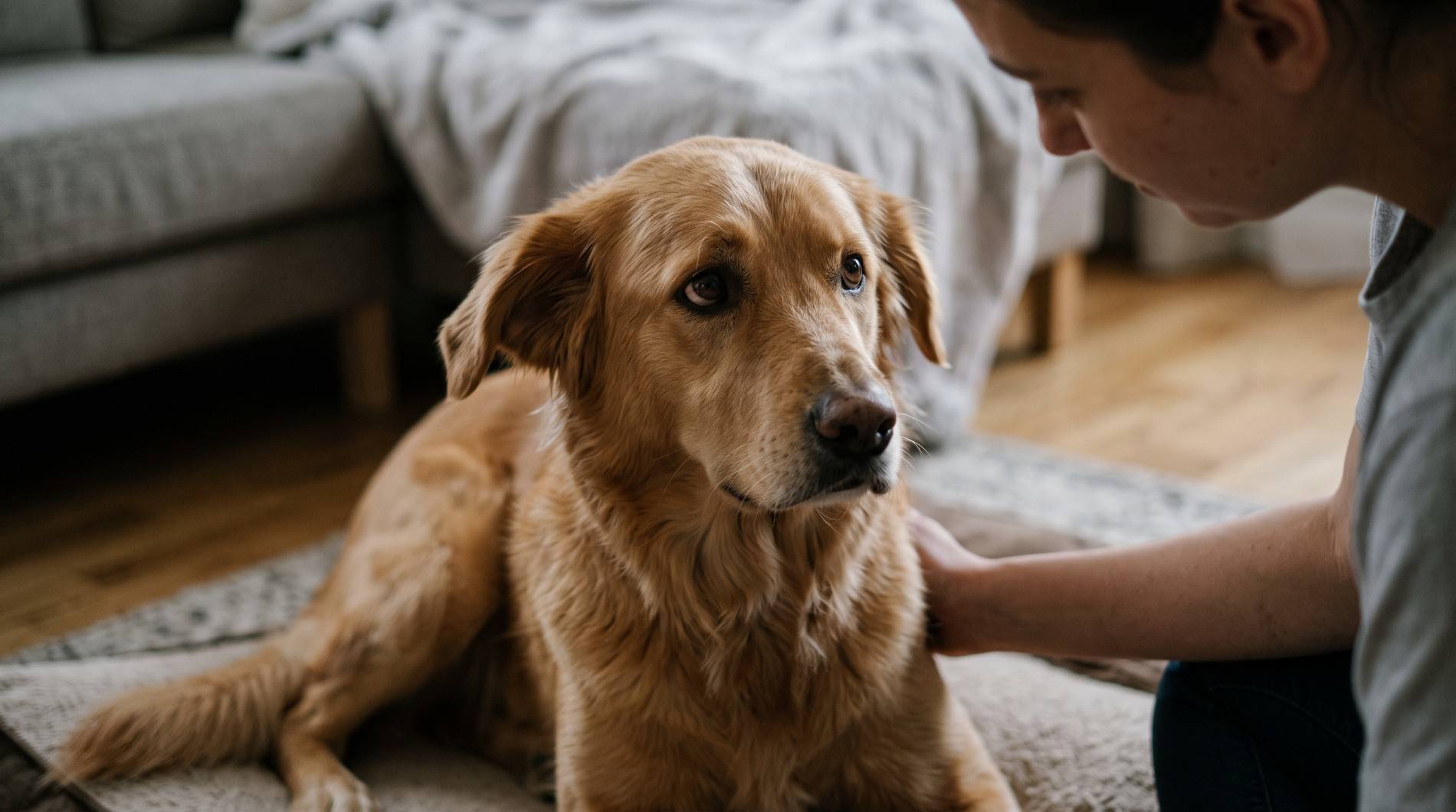
Your dog may take a little longer to get up from their bed these days. Walks might be shorter, and naps may take up more of the afternoon. Aging brings changes, but it doesn’t mean your dog has to give up movement, play, or new experiences.
For older dogs, exercise isn’t about running farther or keeping up with younger pups. It’s about finding activities that suit their changing abilities while supporting comfort, mobility, and mental engagement.
TL;DR: Exercise can help older dogs maintain strength, movement, and mental engagement when activities are suited to their health and abilities. To learn more about keeping an aging dog active in both body and mind, explore Animal Wellness Academy’s Keeping the Geriatric Dog’s Brain and Body Fit with Exercise course.
Why Does Exercise Matter for Senior Dogs?
As dogs age, they may lose muscle strength, become less flexible, or find familiar activities more tiring. Some also experience changes in memory and learning.
Appropriate exercise can help older dogs stay active and support their ability to manage everyday movements. Physical activity also gives them opportunities to explore their surroundings and engage their minds.
The goal isn’t to make your senior dog behave like a puppy again. It’s to help them enjoy the activities they’re still comfortable doing and maintain as much independence as possible.
Can Exercise Support Your Senior Dog’s Brain?
Yes, physical activity can offer mental benefits as well as physical ones. Walks, gentle exploration, and activities that ask your dog to pay attention to their surroundings provide opportunities for engagement.
Your dog doesn’t need an elaborate routine. Letting them sniff during a walk, explore a familiar garden, or practice an easy cue can add variety to the day.
Keep in mind that changes in memory, awareness, or behavior shouldn’t automatically be blamed on age. If your dog seems confused, becomes unusually restless, or develops new behavior changes, ask your veterinarian about possible causes.
What Exercises Are Suitable for Older Dogs?
The best activities depend on your dog’s health, mobility, fitness, and veterinary recommendations. A dog with arthritis or a history of injury may need a different plan from a healthy senior who still enjoys longer walks.
Here are a few options to discuss with your veterinarian:
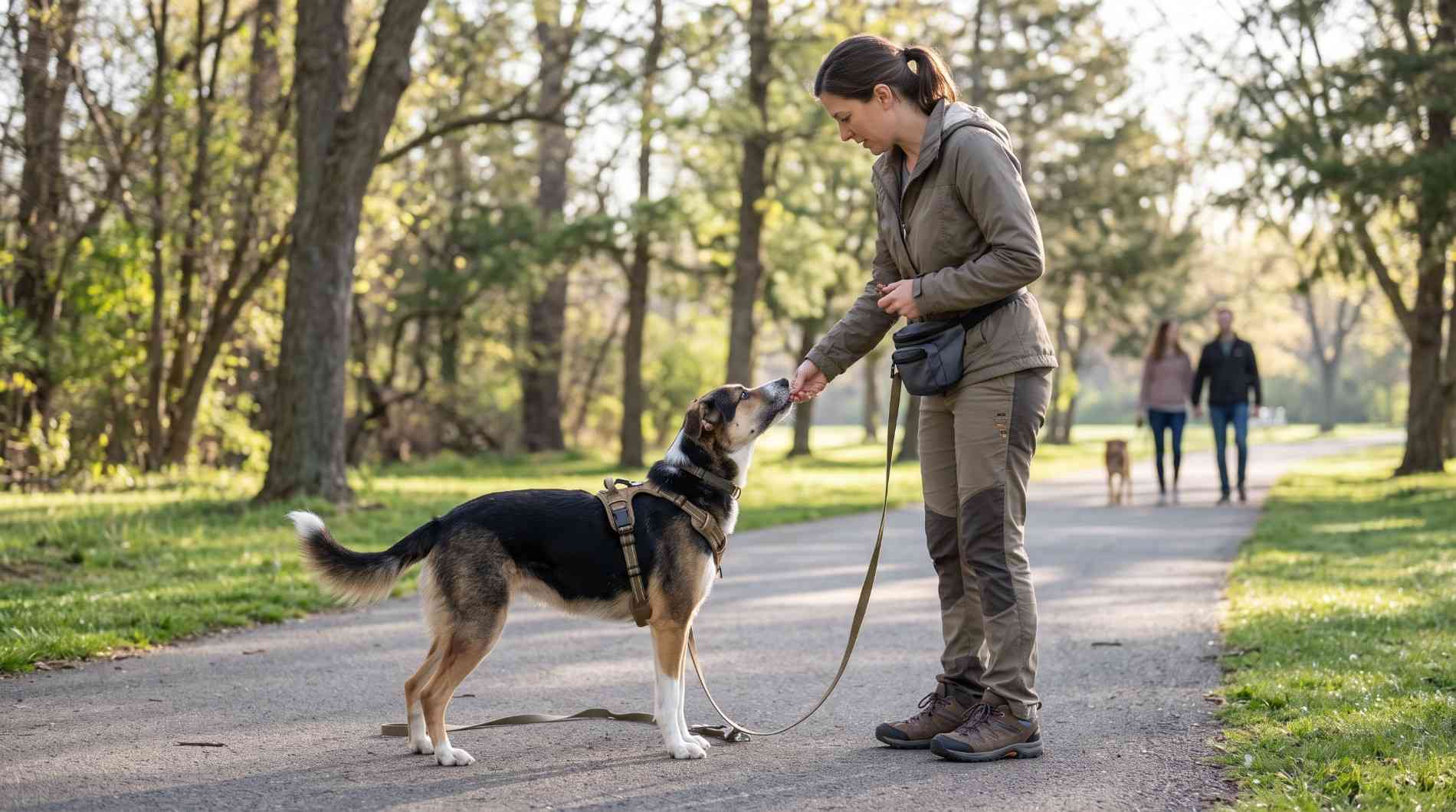
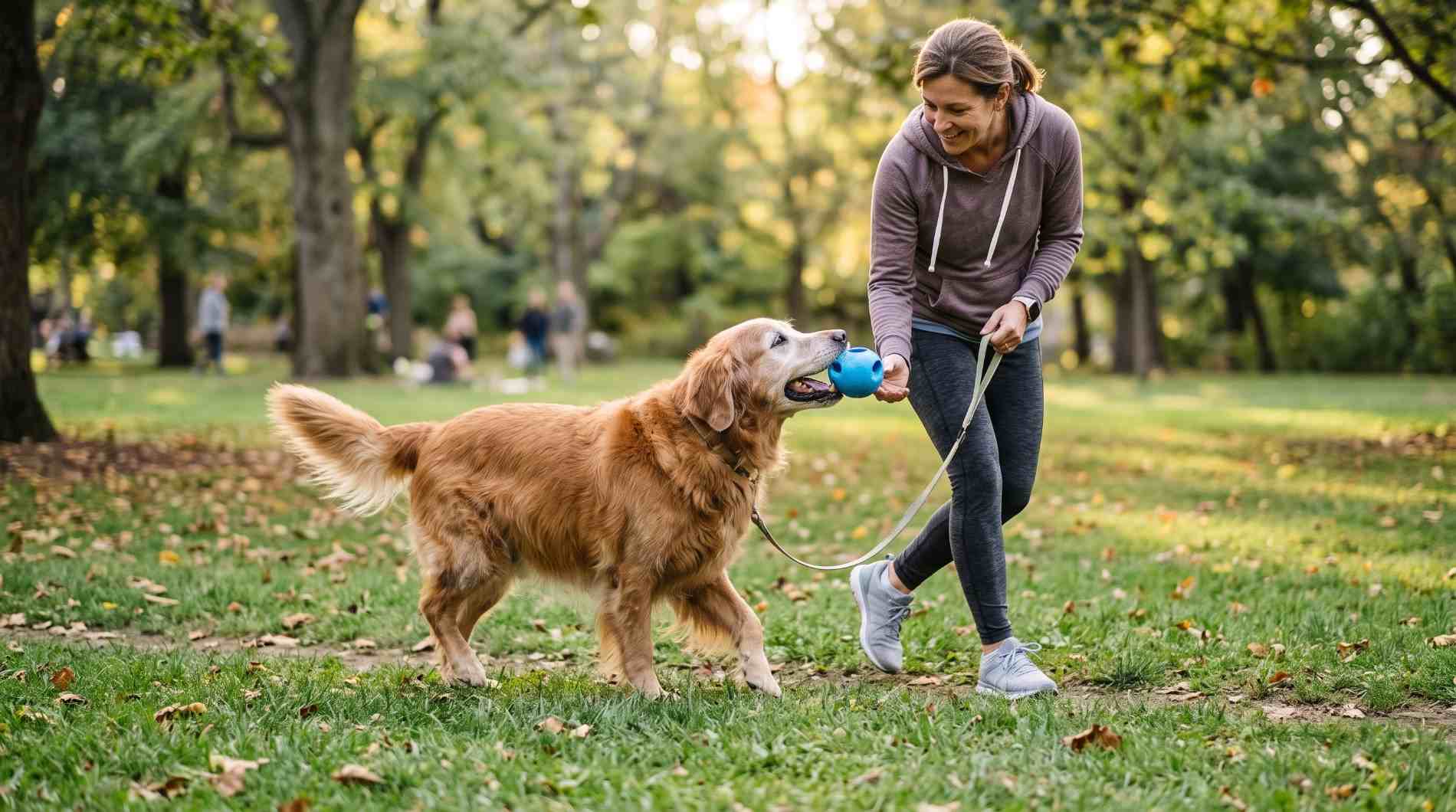
- Gentle walks: Choose a comfortable pace and distance, allowing plenty of time for sniffing and rest.
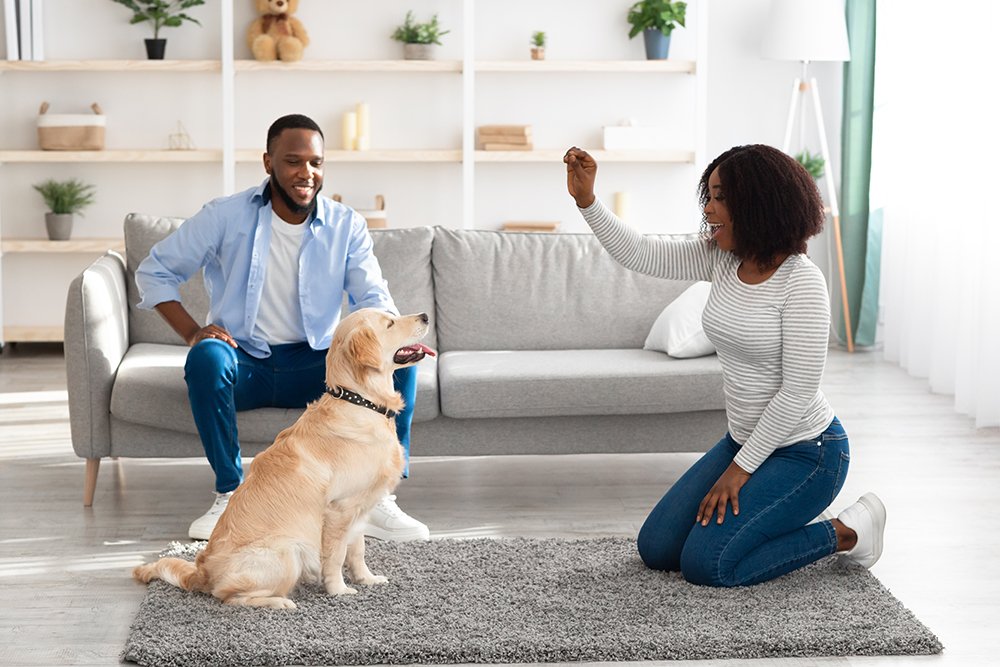
- Simple training games: Practice familiar cues or teach an easy behavior to encourage attention and interaction.
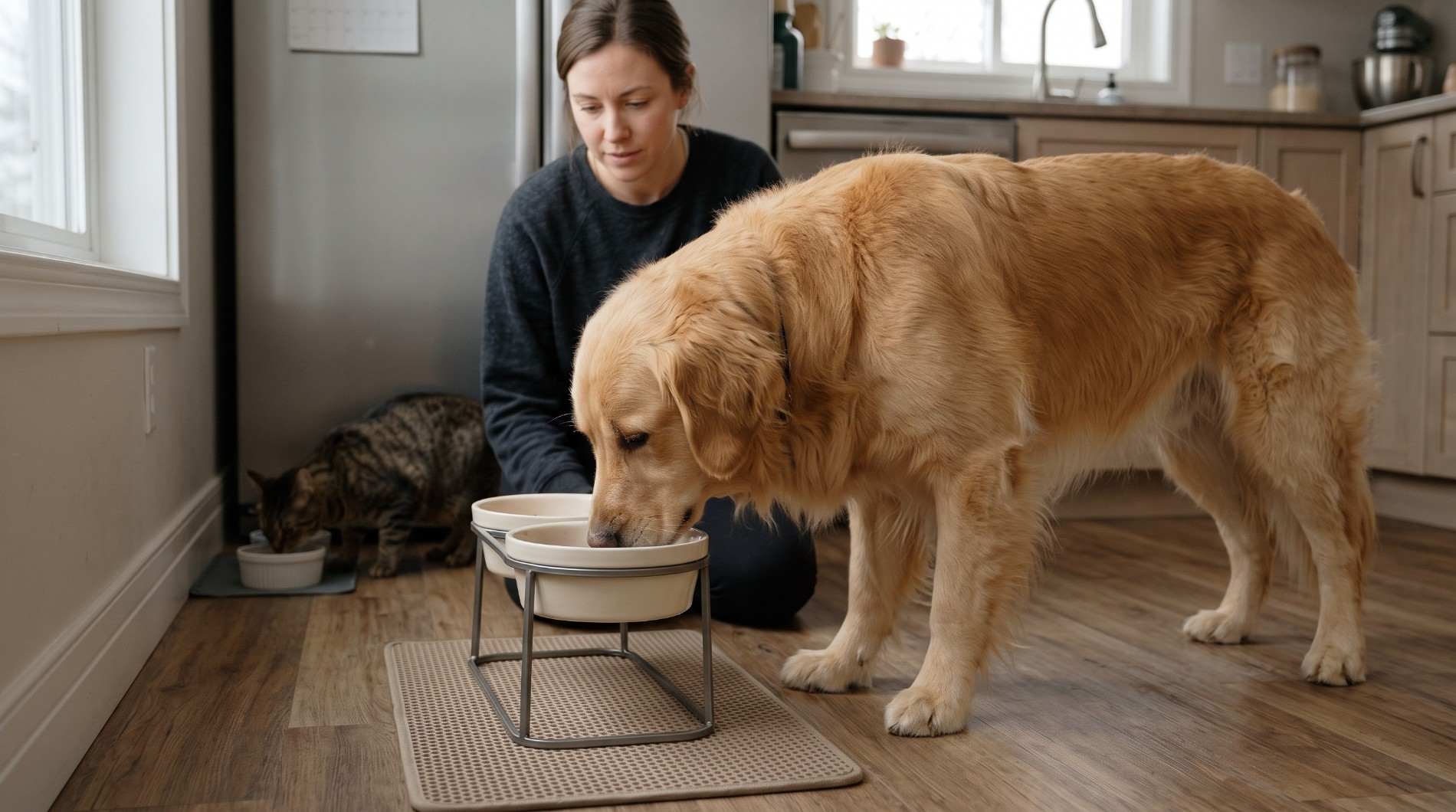
- Food-finding activities: Hide a few pieces of your dog’s regular food in easy-to-find places to encourage sniffing and exploration.
- Controlled movement exercises: With appropriate guidance, specific movements may help support balance, flexibility, and strength.
Avoid pushing your dog through an activity if they appear uncomfortable. Slippery floors, steep stairs, sudden turns, and jumping can be difficult for some older dogs.
How Can You Tell If Your Dog Is Doing Too Much?
Watch your dog during exercise and afterward. Slowing down, lagging behind, repeatedly stopping, limping, or struggling to get comfortable may signal that an activity is too demanding or that a health issue needs attention.
Older dogs don’t always show discomfort in obvious ways. A dog who seems willing to continue may still need a break.
Start with manageable activity and adjust based on your dog’s response. If you notice new pain, weakness, breathing difficulty, or a sudden change in mobility, stop the activity and contact your veterinarian. Don’t begin a new exercise program without professional guidance if your dog has an existing medical condition or significant mobility concerns.
How Can You Make Exercise Part of Your Dog’s Routine?
Consistency matters more than intensity. Short, comfortable activities spread throughout the day may suit your dog better than one long session.
Build movement around things your dog enjoys. If they love sniffing, allow more time for that on walks. If walking is difficult, ask your veterinarian about other ways to provide safe physical and mental activity.
The AWA course explores how exercise can support the aging dog’s brain and body, giving pet parents a starting point for understanding why activity remains valuable in the senior years.
Take Our Course: “Keeping the Geriatric Dog’s Brain and Body Fit with Exercise”
Want to learn more about exercise for your aging companion?
Animal Wellness Academy’s Keeping the Geriatric Dog’s Brain and Body Fit with Exercise course explores the role of movement in supporting a senior dog’s physical condition, cognitive health, and quality of life.
Frequently Asked Questions
How much exercise does a senior dog need each day?
There isn’t one ideal amount for every senior dog. The right duration and intensity depend on health, mobility, fitness, and veterinary advice.
Can exercise help keep an older dog’s mind active?
Physical activity and enrichment provide opportunities for exploration, attention, and learning. Choose activities your dog can enjoy comfortably.
Should I walk my senior dog if they have arthritis?
Ask your veterinarian to recommend an appropriate activity plan. Gentle, controlled movement may suit some dogs with arthritis, but the type and amount should reflect their individual condition.
When should I stop exercising my older dog?
Stop if your dog shows signs of pain, limping, unusual weakness, or breathing difficulty. Seek veterinary advice about new or worsening symptoms before resuming the activity.