
How Can You Make Natural Bug Repellent for Dogs?
Fleas, ticks, and mosquitoes can make outdoor adventures uncomfortable for your dog. Depending on where you live, these pests can also expose dogs to parasites and diseases. It’s understandable that many dog parents want to explore natural ways to help keep bugs away.
Plant-based ingredients and essential oils are sometimes used in natural insect repellents, but homemade doesn’t automatically mean safe or effective. Knowing which ingredients require caution, how repellents work, and when your dog needs additional protection can help you make better choices.
TL;DR: Natural bug repellents for dogs may offer an additional way to discourage certain insects, but their effectiveness and safety depend on the ingredients and formulation. Before making or applying a homemade product, consult your veterinarian. Explore Animal Wellness Academy’s How to Make Natural Bug Repellent for Dogs course to learn more about this topic.
Why Do Dogs Need Protection From Bugs?
Fleas can cause itching and skin irritation, while ticks and mosquitoes may transmit diseases. Even dogs who spend most of their time indoors can encounter pests during walks, backyard play, or trips to new places.
A good prevention plan depends on your dog’s lifestyle and local risks. Regularly checking their coat after outdoor activities, washing bedding when appropriate, and keeping outdoor spaces tidy can help you monitor pest exposure.
Your veterinarian can also recommend parasite prevention suited to your dog. Natural repellents shouldn’t replace proven flea and tick preventatives when those are needed. The Animal Wellness Magazine article Flea and Tick Prevention 101 explains the limitations of relying on essential oils alone.
What Ingredients Are Used in Natural Bug Repellents for Dogs?
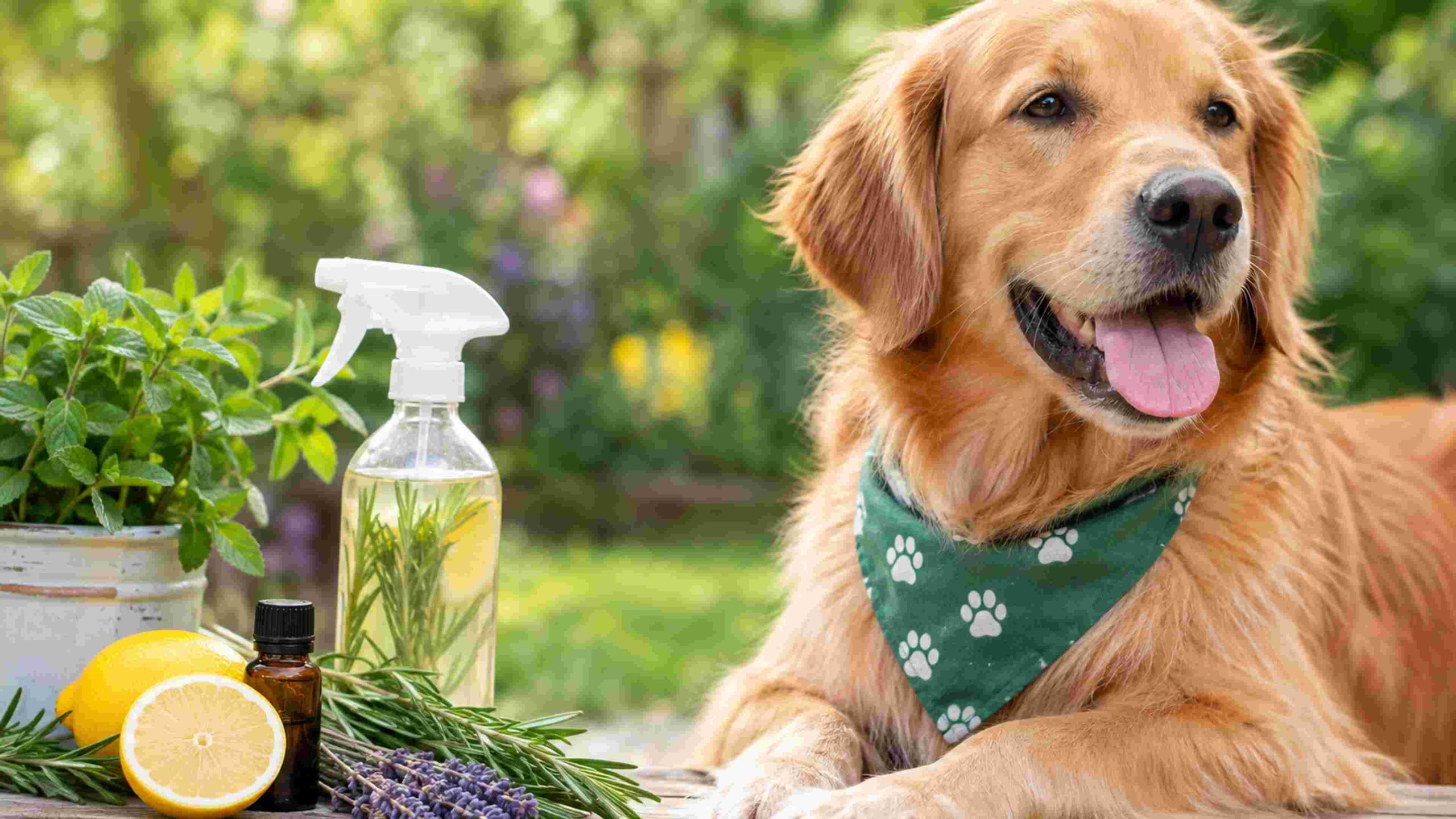
Some natural repellent formulations use botanical ingredients, including cedarwood, lavender, neem, and lemongrass. These ingredients appear in discussions of natural pest control, but their presence in a recipe doesn’t guarantee that the finished product will repel insects reliably or be safe for every dog.
Essential oils are concentrated substances. Their effects depend on the specific oil, concentration, route of exposure, and individual animal. Some can irritate skin or cause toxicity if used improperly.
For that reason, don’t assume an essential oil is safe simply because it’s plant-derived. Avoid applying undiluted essential oils to your dog’s skin, and ask your veterinarian to review any product or recipe before use.
Is Homemade Bug Repellent Safe for Every Dog?
No. A product that one dog tolerates may cause problems for another.
Dogs with sensitive skin, existing health concerns, or a history of allergic reactions may need extra caution. Puppies and senior dogs may also have different care needs.
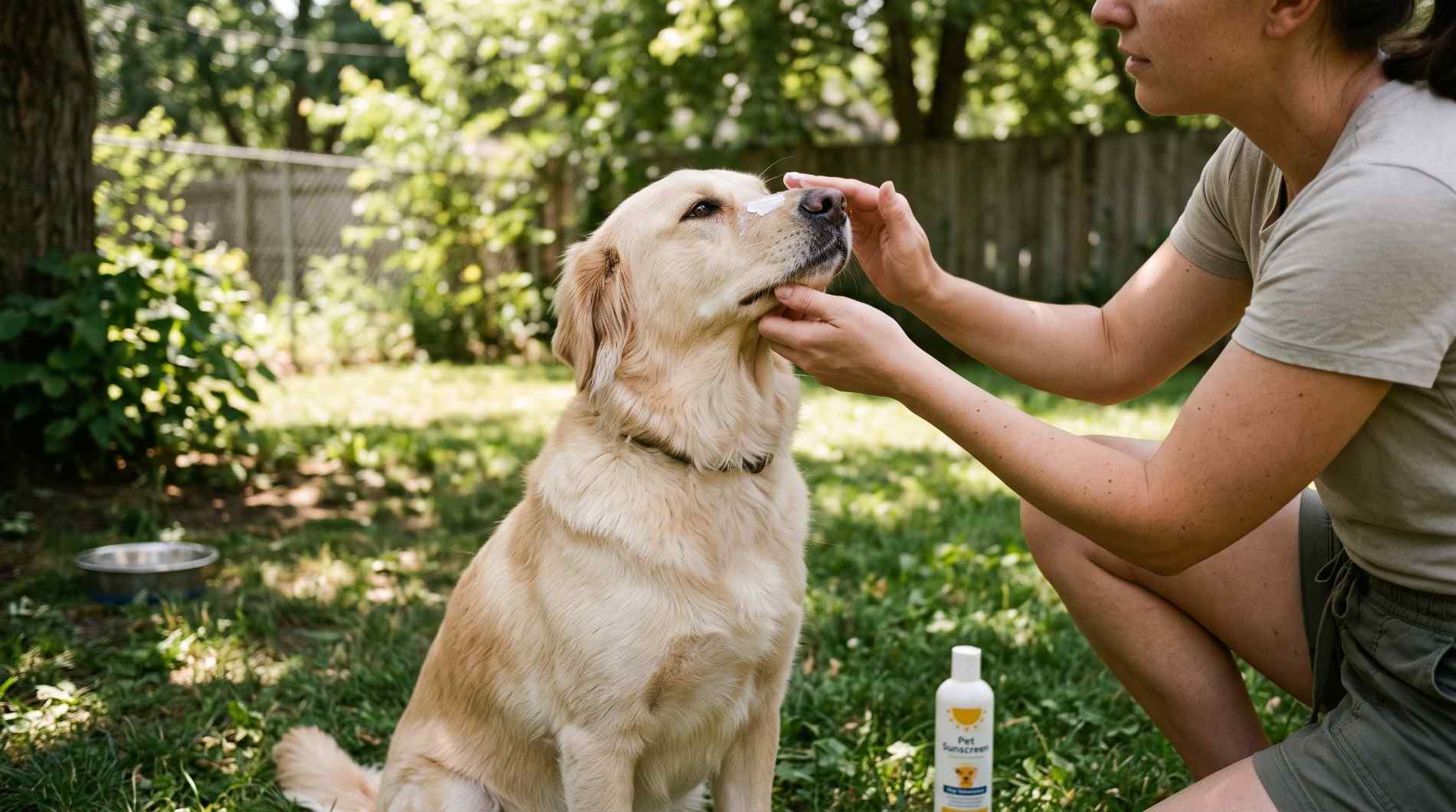
Dogs lick their coats, so ingredients applied to the skin can end up being swallowed. Avoid spraying products near your dog’s eyes, nose, mouth, or other sensitive areas unless the product is specifically designed and approved for that use.
Watch for signs of a possible adverse reaction, such as excessive drooling, vomiting, weakness, skin irritation, or unusual behavior. Stop using the product and contact your veterinarian if you notice concerning symptoms. Seek urgent veterinary advice if you suspect poisoning.
How Can You Help Keep Bugs Away Naturally?
Alongside a veterinarian-approved prevention plan, a few everyday habits can help you monitor and manage pests:
- Check your dog’s coat: After walks or outdoor play, look for ticks and signs of fleas.
- Wash bedding regularly: Follow suitable washing instructions to help manage pest exposure.
- Maintain outdoor areas: Keep grass trimmed and remove yard debris where pests may hide.
- Review products carefully: Check labels, ingredients, and intended use before applying anything to your dog.
These steps won’t eliminate every pest, but they can complement an appropriate prevention routine.
Take Our Course: “How to Make Natural Bug Repellent for Dogs”
Curious about natural approaches to keeping insects away from your canine companion?
Our How to Make Natural Bug Repellent for Dogs course introduces the topic of homemade repellent and offers an opportunity to explore natural pest-control options. Use what you learn alongside veterinary guidance to make informed decisions about your dog’s protection.
Frequently Asked Questions
Can you make natural bug repellent for dogs at home?
Some recipes use botanical ingredients, but homemade products vary in safety and effectiveness. Ask your veterinarian to review a recipe before applying it to your dog.
Are essential oils safe for dogs?
Not all essential oils are safe for dogs, and even some commonly used oils can cause harm if improperly formulated or applied. Never use undiluted essential oils on your dog, and consult your veterinarian before trying them.
Does natural bug repellent replace flea and tick prevention?
No. Natural repellents may have limited or inconsistent effects and shouldn’t replace veterinary-recommended parasite prevention when it’s needed.
How often should I check my dog for ticks and fleas?
Check your dog’s coat regularly, especially after outdoor activities in areas where ticks or fleas are common. Ask your veterinarian about prevention based on your location and your dog’s routine.