
How Can You Reduce Your Dog’s Stress Naturally?
Does your dog pace around the house during a thunderstorm, hide when visitors arrive, or seem uneasy during everyday activities? Stress can show up in different ways, and the signs aren’t always obvious. Sometimes, a dog who seems restless or withdrawn may be feeling overwhelmed.
Learning to recognize these signals can help you understand what your dog needs and make their environment more comfortable. You don’t have to eliminate every stressful experience. The goal is to help your dog feel safer and handle everyday situations with more confidence.
TL;DR: You can help reduce your dog’s stress naturally by recognizing early signs of discomfort, creating a calmer environment, and using gentle, positive approaches that suit your dog. Explore our How to Reduce Your Dog’s Stress Naturally course to learn how to recognize canine stress and explore techniques to help your dog relax.
How Can You Tell If Your Dog Is Stressed?
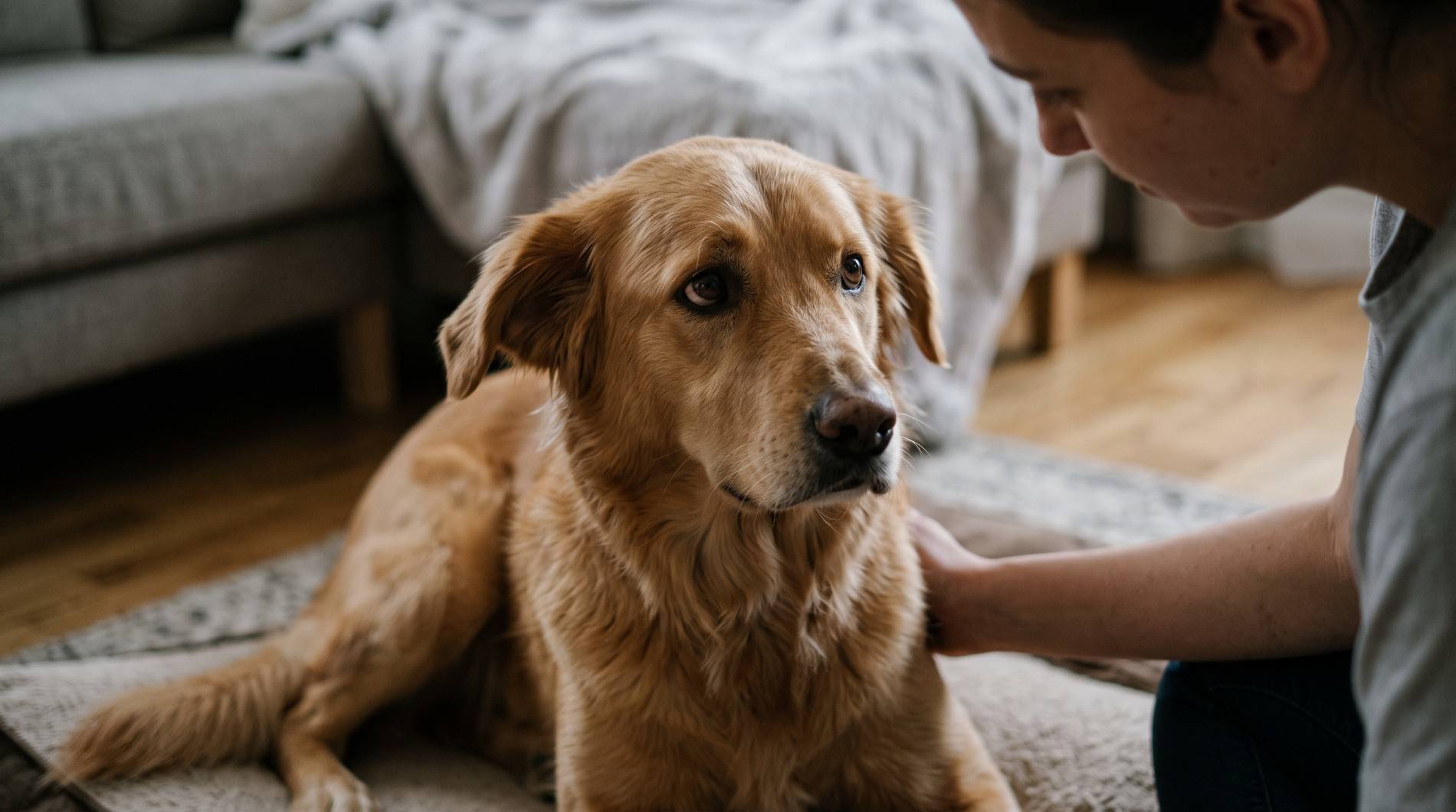
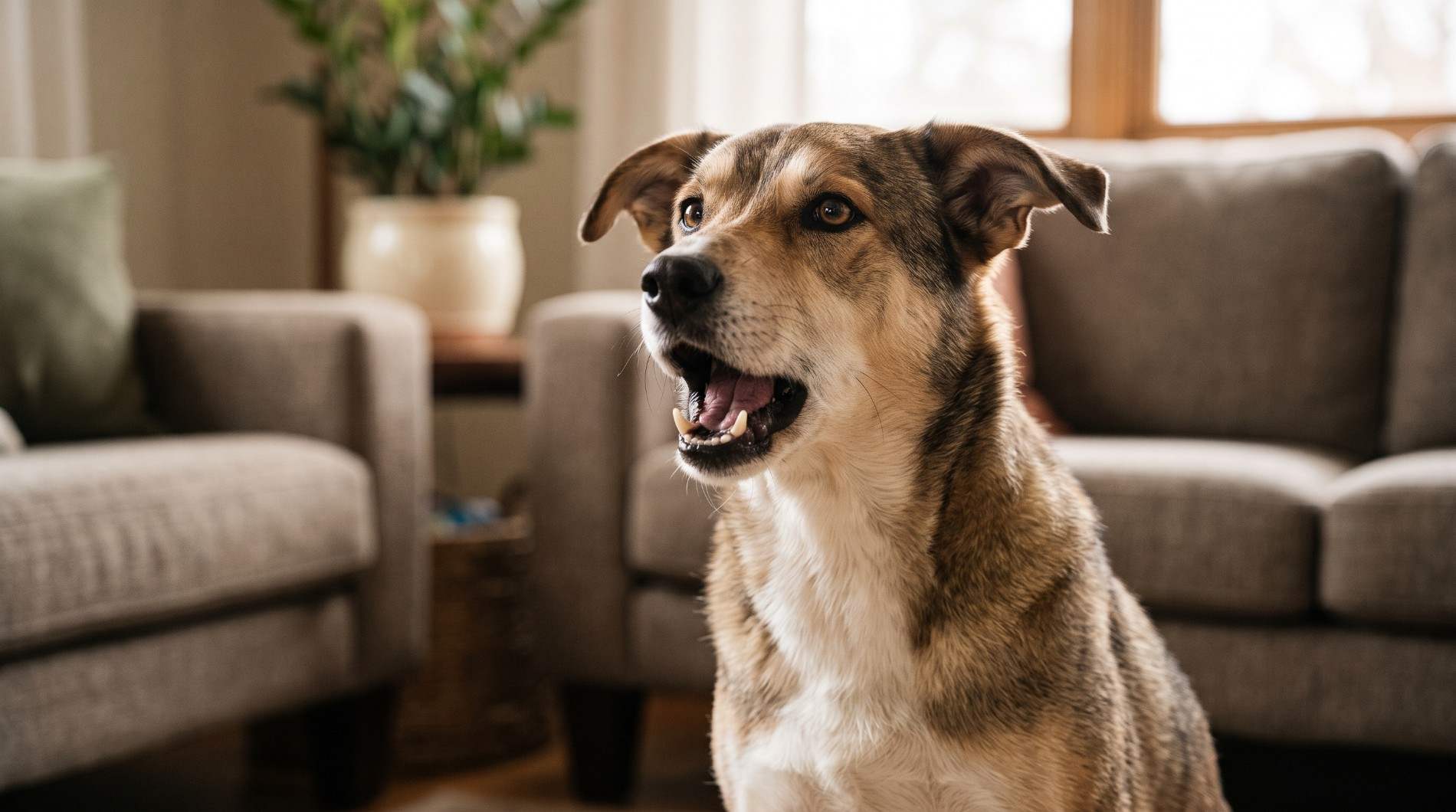
Dogs don’t always show stress by barking or trying to escape. Some signs are subtle, which makes it useful to pay attention to changes in your dog’s usual behavior.
Possible signs include:
- Pacing, panting, or repeatedly changing position when there is no obvious physical reason
- Hiding, turning away, or trying to move away from a person or situation
- Lip licking, yawning, or frequent shaking off when the dog isn’t wet
- Flattened ears, a tucked tail, or a tense body
- Changes in appetite, sleep, or interest in familiar activities
No single sign confirms stress. Panting, restlessness, and changes in behavior can also indicate pain or another health concern. If the behavior is new, persistent, or severe, consult your veterinarian.
What Can Trigger Stress in Dogs?
Dogs may feel stressed by loud noises, unfamiliar people, changes in routine, travel, veterinary visits, or interactions with other animals. A situation that seems harmless to you may feel unpredictable or frightening to your dog.
Individual experiences matter. One dog might settle comfortably when guests arrive, while another needs a quiet room away from the activity. Some dogs cope well with car rides; others become anxious before the journey even begins.
Try to notice when your dog’s behavior changes. Identifying patterns can help you work out which situations need adjusting and when your dog may benefit from more space or a slower introduction.
How Can You Help Your Dog Relax Naturally?
Start with simple changes that make your dog’s surroundings feel more predictable.
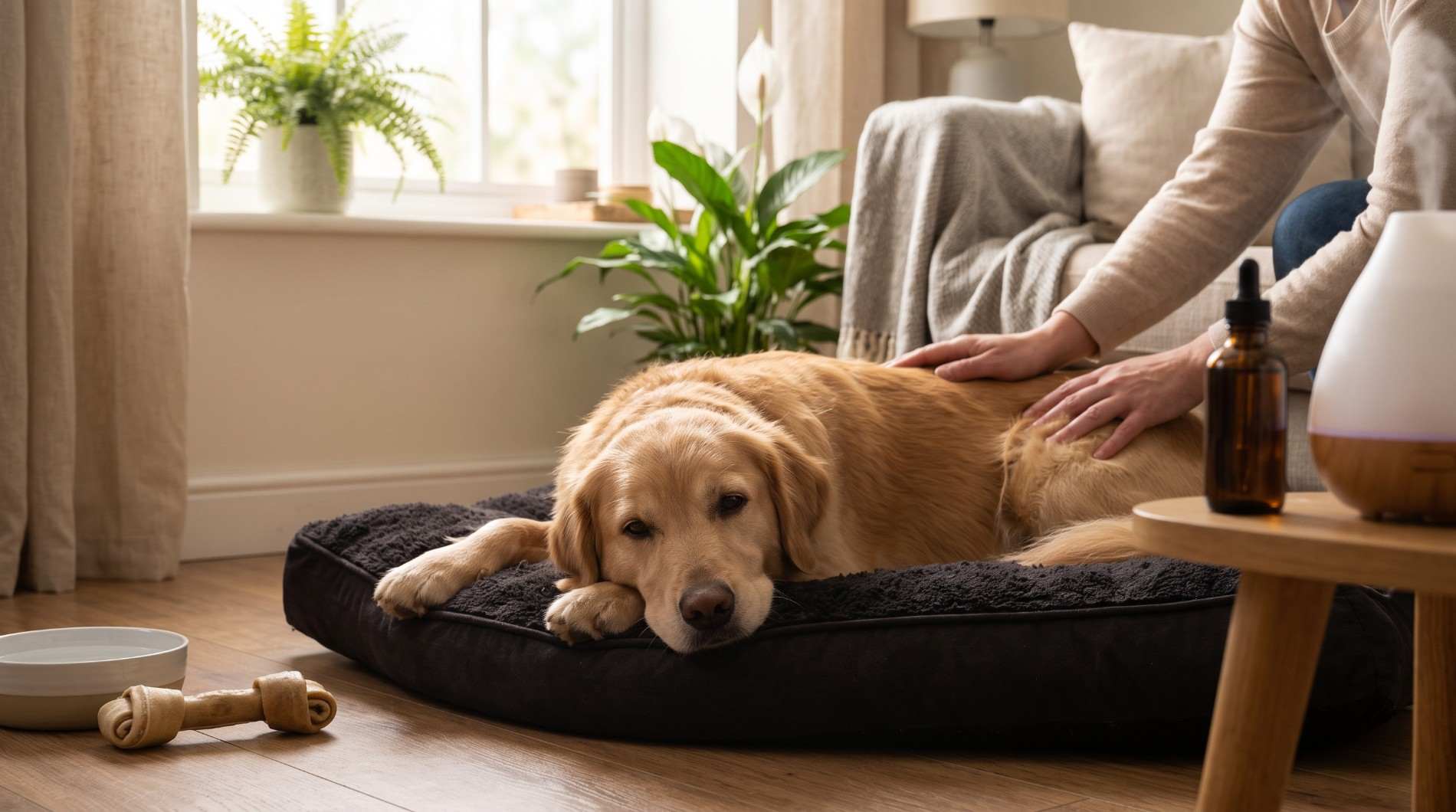
Create a quiet retreat. Give your dog a comfortable place to rest where they can step away from household activity. Make sure everyone in the home respects that space.
Keep routines predictable. Regular meal times, walks, rest, and play can help dogs know what to expect. Routines don’t need to be rigid, but consistency may help reduce uncertainty.
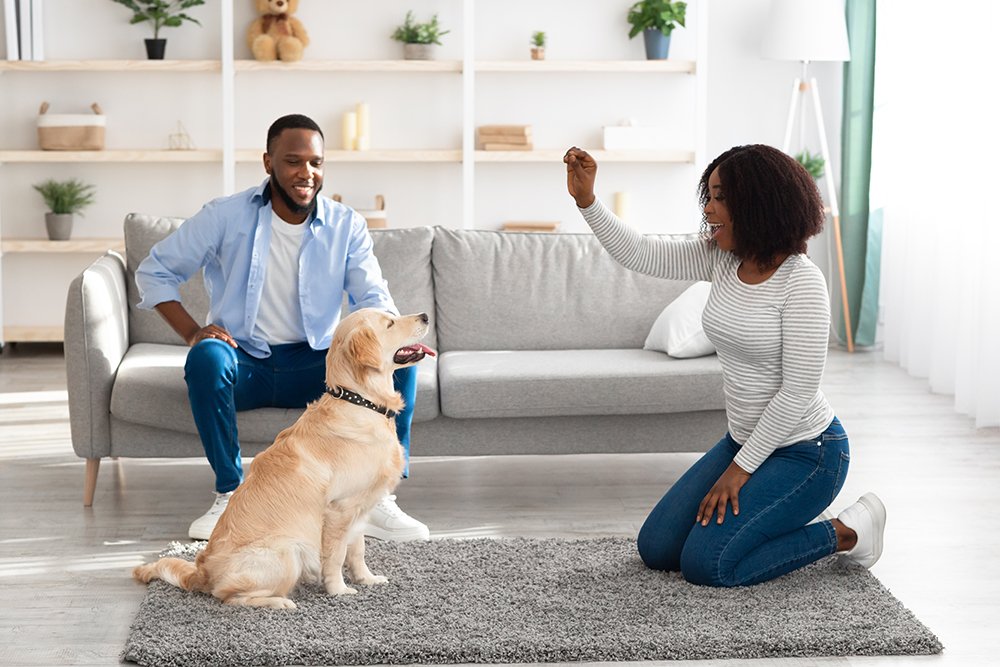
Use positive reinforcement. Reward calm behavior and give your dog opportunities to approach unfamiliar situations at their own pace. Avoid forcing them to face something frightening or punishing them for showing signs of fear.
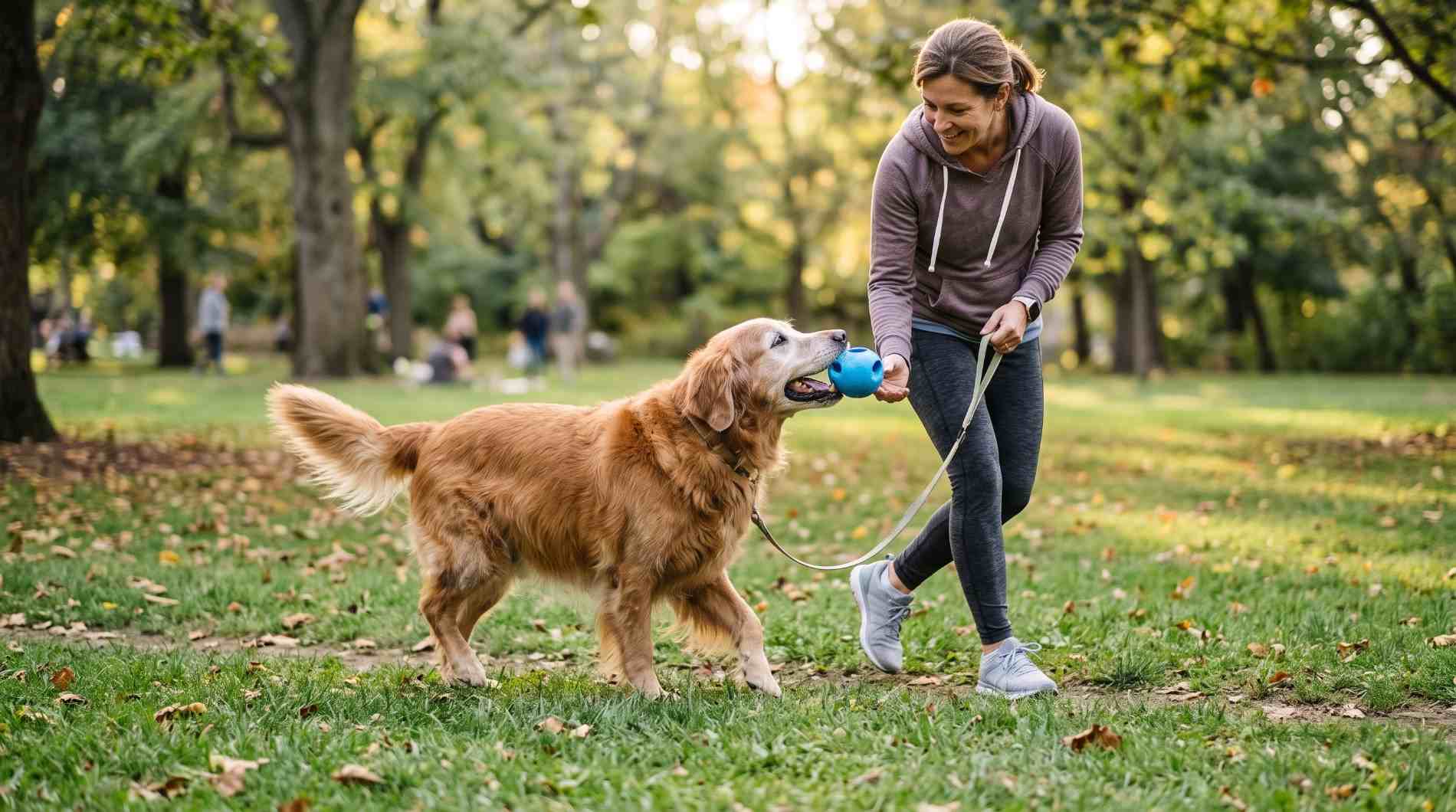
Offer suitable enrichment. Sniffing games, food puzzles, and gentle play can provide mental engagement. Choose activities that match your dog’s interests and abilities, and don’t add more stimulation when they already seem overwhelmed.
Should You Avoid Every Stressful Situation?
Not necessarily. Some everyday experiences are unavoidable, and a little excitement or short-term stress isn’t always harmful. What matters is how intense the experience is, how often it happens, and whether your dog has a chance to recover.
When possible, reduce exposure to situations that repeatedly overwhelm your dog. If they are frightened of other dogs, for example, start at a distance where they can remain comfortable rather than insisting on a close greeting.
For ongoing anxiety, severe fear, or behavior that affects daily life, ask your veterinarian or a qualified, reward-based behavior professional for help. Natural approaches can be part of a support plan, but they aren’t guaranteed to resolve every problem.
Take Our Course: “How to Reduce Your Dog’s Stress Naturally”
Want to get better at recognizing when your dog feels stressed and understand ways to help them settle?
Our How to Reduce Your Dog’s Stress Naturally course introduces signs of canine stress and techniques to naturally calm dogs. The course includes one lesson and a quiz, making it a practical starting point for pet parents who want to understand their dogs more clearly.
Frequently Asked Questions
What are common signs of stress in dogs?
Dogs may show stress through pacing, panting, hiding, lip licking, a tucked tail, or changes in appetite and behavior. Look at the full situation rather than relying on one sign.
What is a natural way to calm a stressed dog?
Offer a quiet place to rest, keep routines predictable, reduce exposure to overwhelming triggers, and use positive reinforcement. Choose approaches based on your dog’s needs.
Can exercise help reduce a dog’s stress?
Appropriate physical activity and enrichment may help some dogs relax. However, a highly overwhelmed dog may need a quieter environment rather than more activity.
When should I seek professional help for my dog’s stress?
Contact your veterinarian if signs are sudden, persistent, severe, or accompanied by other changes in health. A qualified behavior professional can also help with ongoing fear or anxiety.