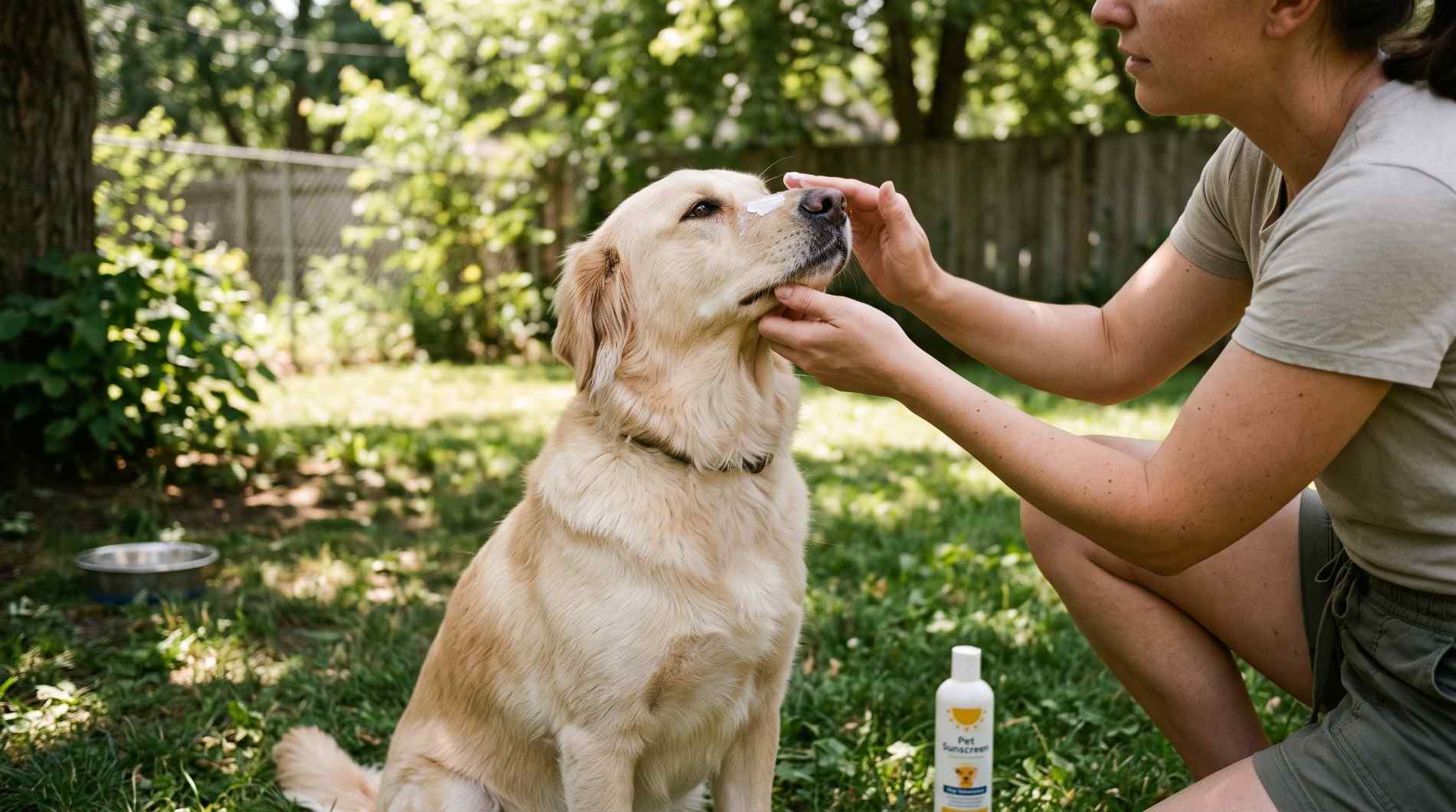


How Can You Teach Your Dog or Cat to Accept Tooth Brushing?
Getting a toothbrush near your pet’s mouth can feel like a challenge. Your dog turns away, your cat disappears under the bed, or your otherwise affectionate companion suddenly decides that tooth brushing is not happening today.
If this sounds familiar, you’re not alone. Many pets need time to get comfortable with having their mouths handled. The good news? With patience, positive reinforcement, and a gradual approach, you can help your dog or cat become more accepting of this part of their care.
TL;DR: To teach your dog or cat to accept tooth brushing, introduce the process gradually, reward calm behavior, and use pet-safe dental products. Avoid forcing the toothbrush into your pet’s mouth. For practical guidance on building a more comfortable brushing routine, explore Animal Wellness Academy’s How to Teach Your Dog or Cat to Accept Tooth Brushing course.
Why Is Tooth Brushing Important for Dogs and Cats?
Dental care is about more than keeping your pet’s breath fresh. Plaque can accumulate on teeth, and without appropriate care, dental problems may develop. Periodontal disease is common in dogs and cats, making regular attention to oral health an important part of their overall care.
Brushing can help remove plaque before it hardens into tartar. However, it works best as part of a broader dental care routine that includes veterinary check-ups and professional treatment when needed.
You don’t have to achieve a perfect brushing session on the first try. Helping your pet feel safe around the toothbrush is a worthwhile first step.
How Do You Introduce a Toothbrush to Your Pet?
Start slowly, especially if your pet dislikes having their face or mouth touched. Choose a quiet time when your dog or cat is relaxed, rather than attempting a brushing session when they’re excited, frightened, or ready to sleep.
Begin by gently touching an area your pet already enjoys having handled, such as the cheek. Pair these brief interactions with praise or a small, pet-safe reward. Gradually work toward touching the lips and lifting them briefly to see the teeth.
Keep each session short and stop before your pet becomes overwhelmed. If your pet pulls away, give them space and try an easier step next time.
Once your pet is comfortable with mouth handling, introduce a toothbrush or finger brush designed for pets. Let them investigate it before attempting to brush. Use toothpaste specifically formulated for dogs or cats, never human toothpaste, which may contain ingredients that are unsafe for pets.
What If Your Dog or Cat Refuses to Have Their Teeth Brushed?
Resist the temptation to hold your pet still and push through. Forcing the process can make future attempts more stressful and may cause your pet to associate the toothbrush with an unpleasant experience.
Instead, break the task into smaller steps. One day, your goal might simply be allowing your pet to sniff the toothbrush. Another day, you might briefly touch the brush to their lips. Build on what your pet can comfortably manage.
Reward cooperation, even when it seems like a tiny achievement. A few calm seconds can be more useful than a long session that ends in a struggle.
If your pet suddenly resists mouth handling, seems painful while eating, has bleeding gums, or develops persistent bad breath, contact your veterinarian. Dental disease or oral pain may be contributing to the behavior.
Can Older Pets Learn to Accept Tooth Brushing?
Yes. Dogs and cats can learn new routines at different ages, although some may need more time than others. Previous experiences, temperament, and comfort with handling can all influence how quickly a pet adjusts.
Animal Wellness Academy’s course, taught by dog training and cat care specialist Tonya Wilhelm, explores how pet parents can teach dogs and cats to accept, and potentially enjoy, tooth brushing through positive training. The short course is designed to help you approach this everyday care task with greater confidence.
Take Our Course: “How to Teach Your Dog or Cat to Accept Tooth Brushing”
Want to make dental care less stressful for you and your pet?
Through our How to Teach Your Dog or Cat to Accept Tooth Brushing course, you can learn practical ways to introduce tooth brushing, build comfort gradually, and encourage cooperation with positive training.
Frequently Asked Questions
How often should I brush my dog’s or cat’s teeth?
Daily brushing is generally recommended when your pet can tolerate it. Ask your veterinarian how often to brush and what other dental care your pet may need.
Can I use human toothpaste on my pet?
No. Use toothpaste made specifically for dogs or cats. Human toothpaste may contain ingredients that are unsafe for animals.
What if my pet only lets me brush one or two teeth?
Start with what your pet will comfortably accept and gradually build up. Keep sessions brief, reward cooperation, and avoid forcing the process.
Does tooth brushing replace professional dental cleaning?
No. Home brushing supports daily oral care, but it does not replace veterinary dental examinations or professional cleaning when recommended.