
How Can You Prepare Your Home for a New Rescue Dog?
Bringing home a rescue dog is exciting, but it can also come with a few surprises. Your new companion may be curious and playful from day one, or they might spend the first few days hiding, watching from a distance, or hesitating to explore. Either response can be normal when a dog is adjusting to a new environment.
The goal isn’t to make your rescue dog feel at home overnight. It’s to create a safe, predictable space where they can settle in at their own pace.
TL;DR: Preparing for a new rescue dog means setting up a safe home, gathering essential supplies, establishing gentle routines, and giving your dog time to adjust. If you want practical guidance before your new companion arrives, explore Animal Wellness Academy’s Quick Tips to Prepare for Your New Rescue Dog course for helpful pointers on getting ready for this important transition.
What Should You Do Before Bringing Your Rescue Dog Home?
A little preparation can make those first few days less overwhelming for everyone.
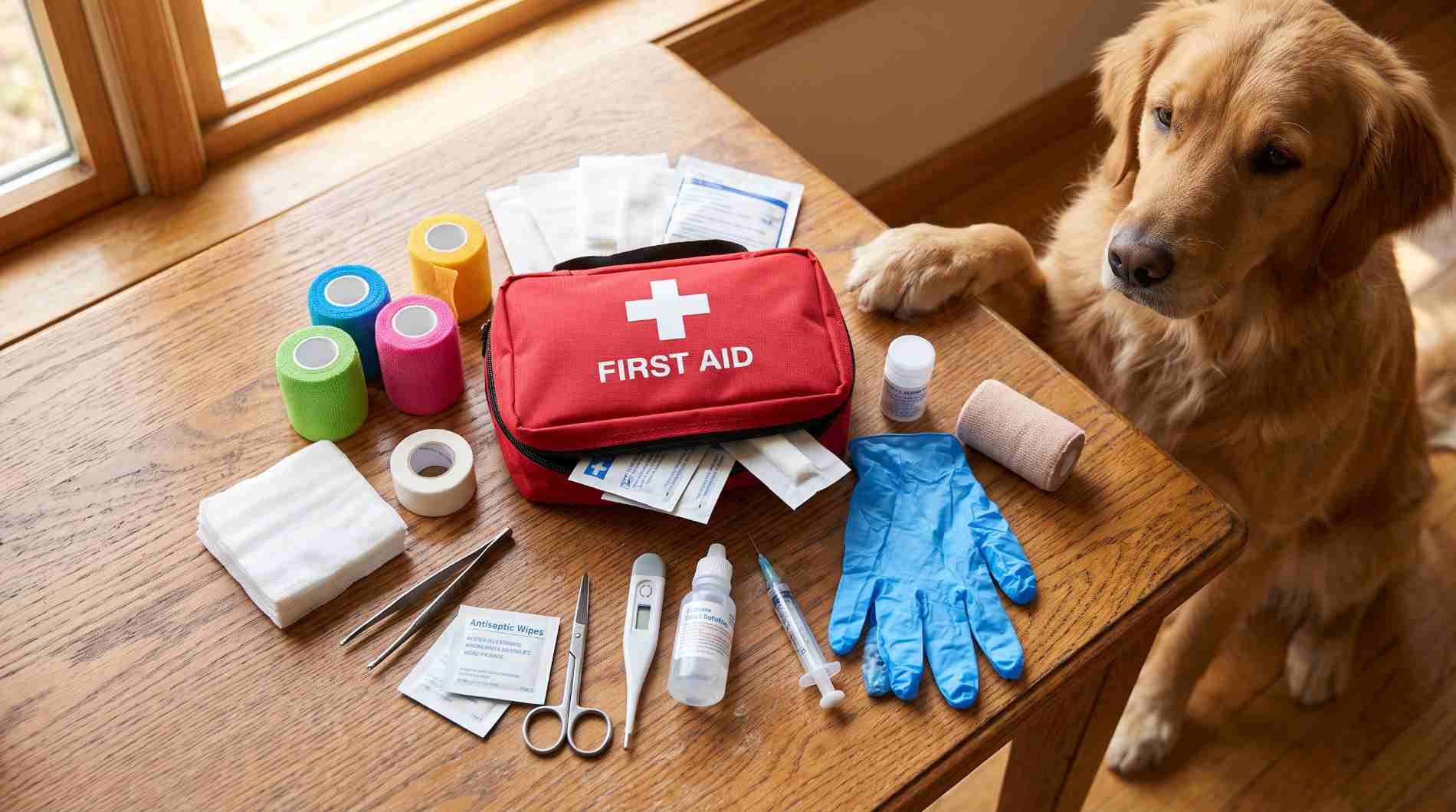
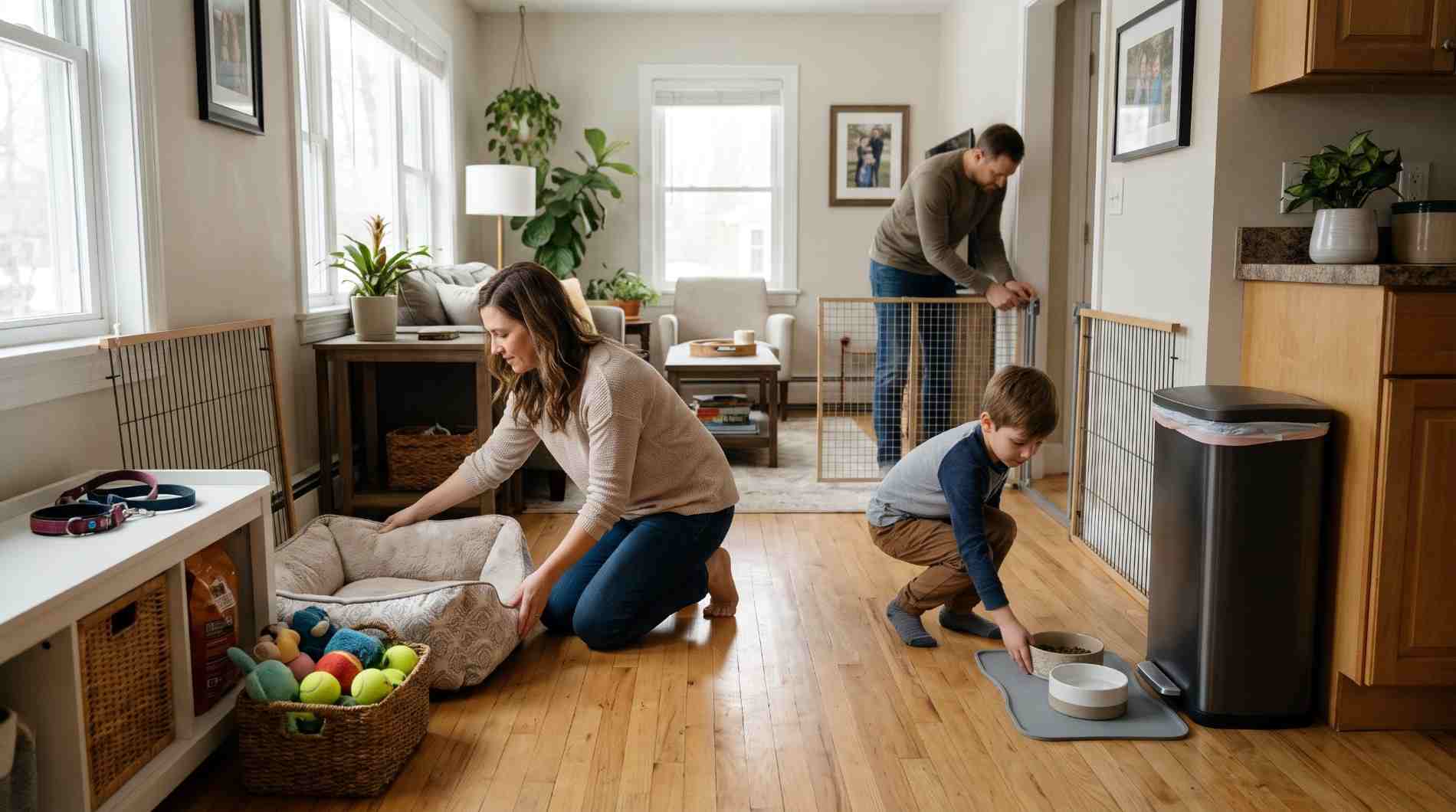
Start by choosing a quiet area where your dog can rest without constant activity. Set up a comfortable bed or blanket, fresh water, food bowls, and a few suitable toys. A crate can be useful if your dog is comfortable with it, but it should never be used as punishment or forced as a place of confinement.
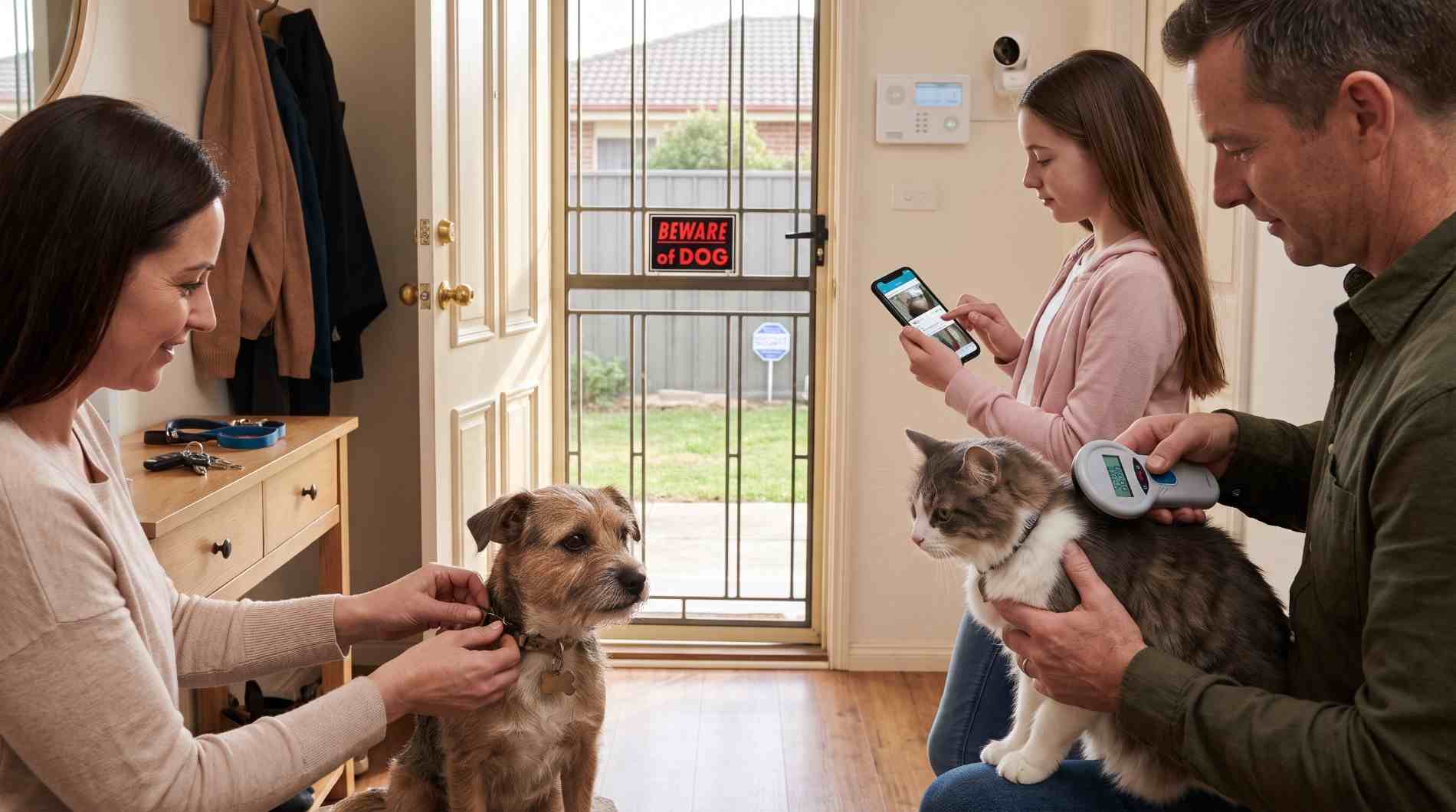
Before arrival, check your home and yard for potential hazards. Secure cleaning products, medications, electrical cords, toxic plants, and small objects your dog might swallow. Make sure gates and fences are secure, and check that doors and windows won’t offer an easy escape route.
You’ll also want a well-fitted collar or harness, a leash, identification, and the contact details of a veterinarian. Ask the rescue organization for available medical records, vaccination information, known behavioral concerns, and details about your dog’s current food and routine.
How Can You Help a Rescue Dog Feel Safe?
A rescue dog may have experienced changes, uncertainty, or stressful situations before joining your family. You might not know their full history, and you don’t need to uncover every detail to help them feel secure.
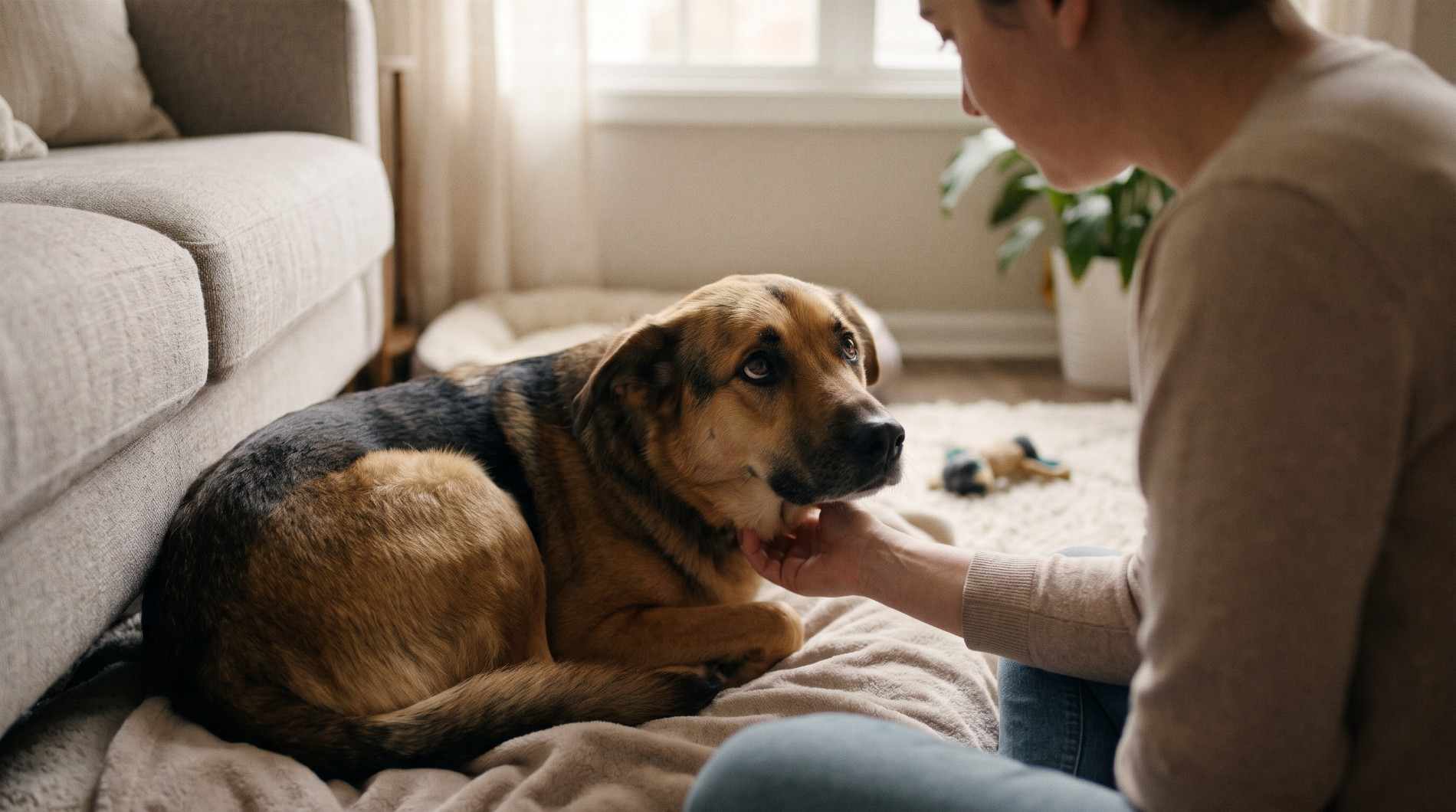
Give your dog room to observe their surroundings without pressure. Let them approach you when they’re ready, and avoid crowding them with visitors or insisting on cuddles. Calm voices, gentle movements, and predictable interactions can help build trust.
Watch their body language, too. Turning away, lip licking, yawning, hiding, or a tucked tail can signal discomfort, although context matters. If your dog seems overwhelmed, reduce stimulation and give them space.
Children should be taught to leave the dog alone while eating or sleeping and never to climb on, chase, or corner them. Supervise all interactions between children and dogs, even when the dog seems relaxed.
What Routine Should You Establish for Your New Rescue Dog?
Keep the first few days simple. Your dog doesn’t need a packed schedule or a tour of every room and neighborhood right away.
Start with regular meal times, bathroom breaks, quiet rest, and short walks in safe areas. Ask the rescue organization what food your dog has been eating, and check with your veterinarian before making major dietary changes.
Keep walks short and avoid busy dog parks until you understand your dog’s comfort level and behavior around other animals. Use a secure leash and harness, especially during the early adjustment period, when an unfamiliar sound or sight could startle your dog.
If you have other pets, introduce them gradually and supervise their interactions. Give each animal a separate place to eat and rest, and don’t leave them together unsupervised until you’re confident they can coexist safely.
When Should You Take Your Rescue Dog to the Vet?
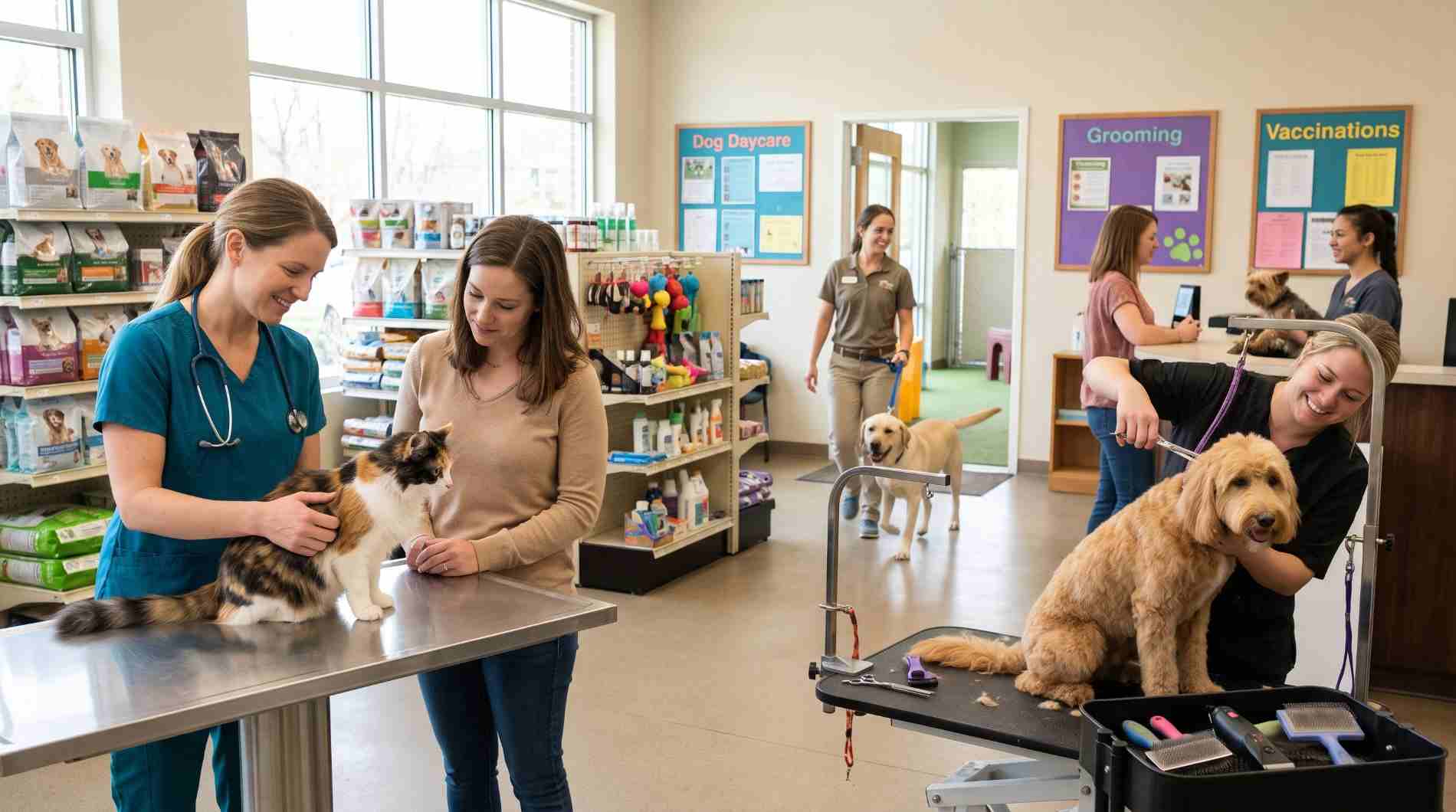
Arrange a veterinary appointment to review your dog’s health, medical history, vaccinations, parasite prevention, and any recommended follow-up care. Bring any records supplied by the rescue organization, along with questions about nutrition, behavior, and exercise.
Contact your veterinarian promptly if your dog develops concerning symptoms, such as repeated vomiting, persistent diarrhea, unusual lethargy, or refusing food. Difficulty breathing, collapse, or suspected poisoning requires urgent veterinary attention.
Remember, adjustment takes time. Your dog may become comfortable quickly, or they may need several weeks to feel secure. Focus on small signs of progress, such as eating comfortably, resting peacefully, or choosing to approach you.
Take Our Course: “Quick Tips To Prepare For Your New Rescue Dog”
Want a little extra guidance before welcoming your new companion?
The Quick Tips To Prepare For Your New Rescue Dog course from Animal Wellness Academy offers a short, focused lesson to help pet parents make their dog’s homecoming a more positive experience. It includes one lesson, a quiz, and a course certificate, making it an easy way to build your preparation knowledge before the big day.
Frequently Asked Questions
How long does it take a rescue dog to settle into a new home?
Every dog is different. Some settle in within days, while others need weeks or longer. A predictable routine, a quiet retreat, and patient interactions can help your dog adjust.
What supplies do I need before adopting a rescue dog?
Start with food, bowls, a comfortable bed, a leash, a well-fitted harness or collar, identification, waste bags, and suitable toys. Ask the rescue organization about any additional needs.
Should I introduce my rescue dog to everyone right away?
No. Keep early introductions calm and gradual. Give your dog time to become comfortable with household members before inviting lots of visitors.
What is the best way to build trust with a rescue dog?
Be patient, respect your dog’s boundaries, reward calm behavior, and maintain consistent routines. Let your dog approach you when they feel ready, rather than forcing interaction.