
Natural Remedies for Ear Infections in Dogs: What Should Dog Parents Know?
If your dog keeps scratching their ears, shaking their head, or rubbing against the furniture, something may be bothering them. Ear infections are uncomfortable for dogs and can become more difficult to manage when the underlying cause isn’t addressed.
It’s understandable to look for gentle, natural ways to help. But an ear infection isn’t always a simple problem, and a remedy that sounds harmless can irritate sensitive tissue or make things worse. Knowing what causes ear infections, which home care practices are appropriate, and when veterinary treatment is needed can help you make safer choices for your dog.
TL;DR: Natural remedies for ear infections in dogs should be approached carefully. Some supportive care practices may help maintain ear health, but suspected infections need veterinary assessment to identify the cause and determine appropriate treatment. Animal Wellness Academy’s Natural Remedies for Ear Infections in Dogs course offers an opportunity to explore natural approaches to canine ear care while learning why safety and professional guidance matter.
What Causes Ear Infections in Dogs?
An ear infection can involve bacteria, yeast, or other problems affecting the ear canal. Allergies, trapped moisture, parasites, and foreign objects can also contribute to ear inflammation. Some dogs are more prone to recurring ear problems because of their ear shape or underlying skin conditions.
Common signs include:
- Frequent head shaking or ear scratching
- Redness or swelling around the ear
- Unusual discharge or a strong odor
- Sensitivity when the ear is touched
- Rubbing the head against furniture or the floor
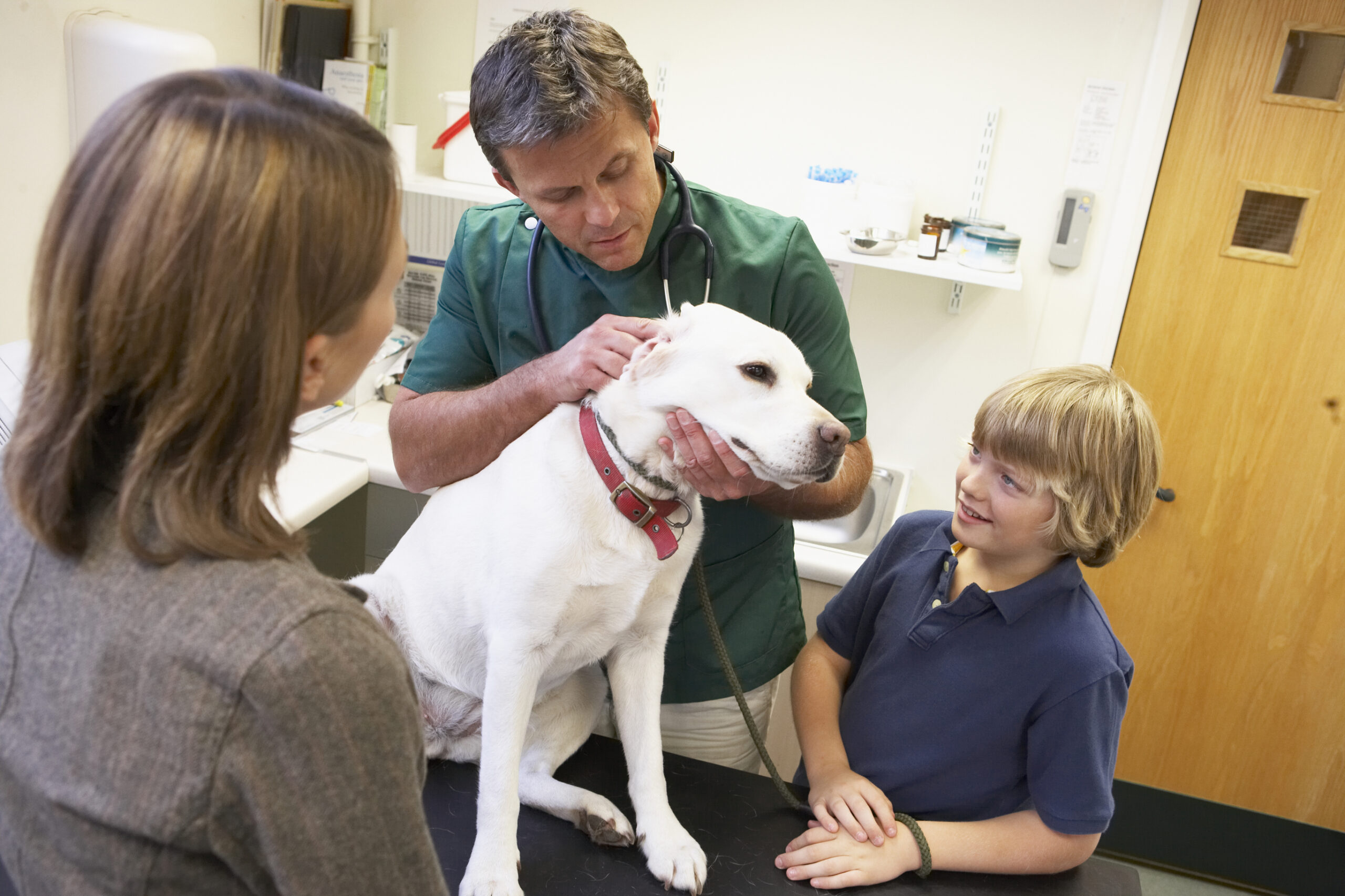
These symptoms don’t reveal the exact cause on their own. Your veterinarian may examine the ear canal and test a sample of ear debris to determine whether yeast, bacteria, or another problem is involved. Identifying the cause is especially important when infections keep returning.
Can Natural Remedies Help Ear Infections in Dogs?
Natural approaches are often discussed as part of holistic pet care, but their safety and effectiveness depend on the product, the condition being treated, and the dog’s individual needs.
Some complementary approaches may be explored alongside veterinary care. However, there is limited evidence that many popular natural remedies can reliably cure an active ear infection. Even familiar household ingredients can irritate an inflamed ear canal.
Avoid putting vinegar, hydrogen peroxide, rubbing alcohol, coconut oil, or essential oils into your dog’s ear unless your veterinarian has specifically advised you to use a particular product. If the eardrum is damaged, certain substances can cause further harm. Tea tree oil is particularly concerning because it can be toxic to dogs.
Animal Wellness Academy’s course provides an opportunity to learn more about natural remedies for canine ear infections and consider the questions to discuss with your veterinary team before trying a complementary approach.
What Can You Safely Do at Home?
While arranging veterinary care, focus on keeping your dog comfortable rather than trying to treat the infection yourself.
- Keep the ears dry. Avoid swimming and take care to prevent water from entering the ears during bathing.
- Don’t probe the ear canal. Cotton swabs can push debris deeper or injure delicate tissue.
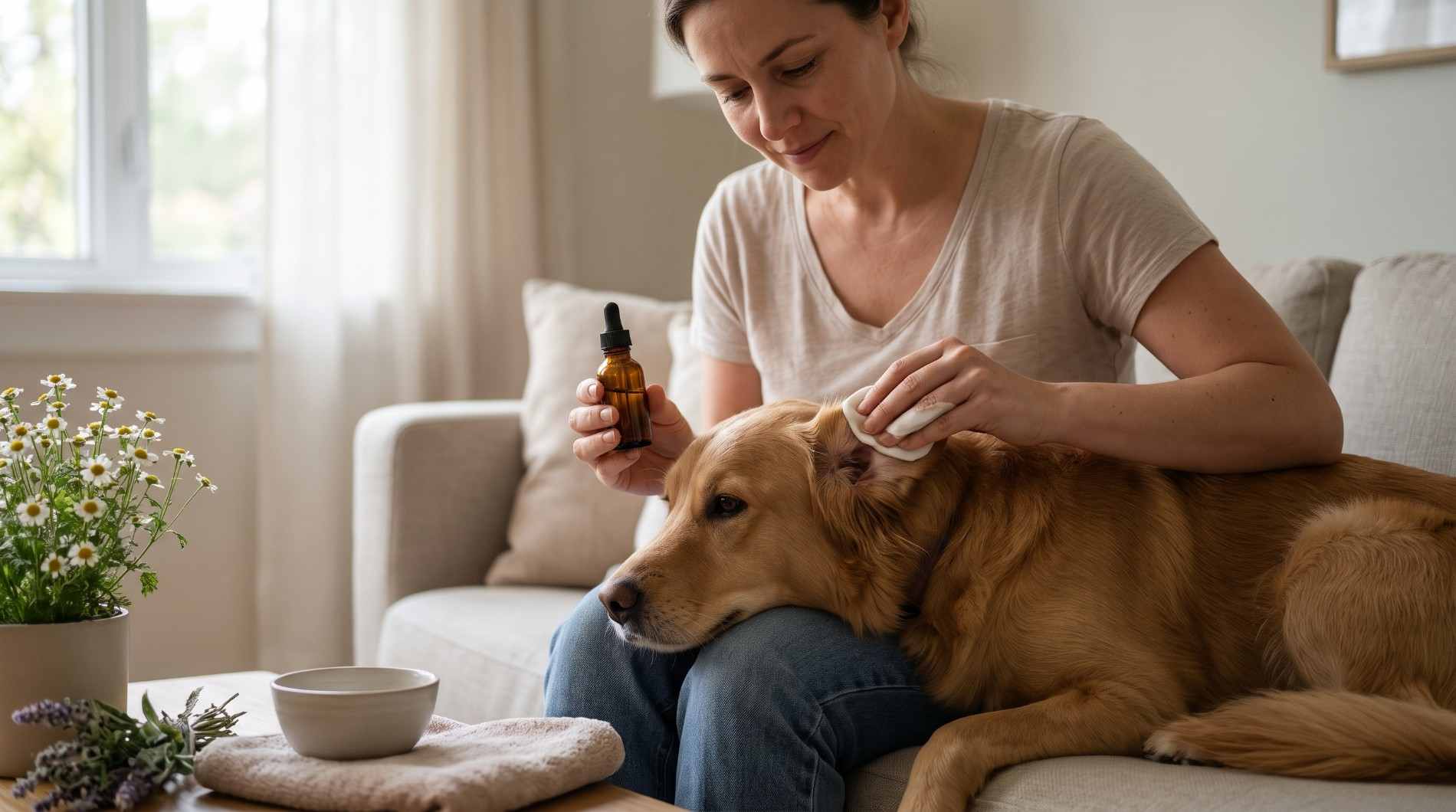
- Clean only as directed. If your veterinarian recommends an ear cleaner, ask them to demonstrate the correct technique.
- Prevent excessive scratching. If your dog is injuring the skin by scratching, ask your veterinarian whether a protective collar is appropriate.
- Follow the treatment plan. Use prescribed medication for the recommended duration and attend follow-up appointments.
Seek prompt veterinary attention if your dog has a very painful or swollen ear. A head tilt, loss of balance, unusual eye movements, or facial weakness also requires urgent assessment.
How Can You Help Prevent Recurring Ear Problems?
Regular checks can help you notice changes before your dog becomes more uncomfortable. Look for new redness, moisture, discharge, or odor, and speak with your veterinarian if anything seems unusual.
If your dog swims often or has allergies, ask whether a specific ear-care routine would help. Some dogs benefit from regular cleaning with a veterinarian-approved product, while others can develop irritation from excessive cleaning.
For recurring infections, treating the underlying cause is just as important as clearing the current episode. Your veterinarian may recommend investigating allergies or other contributing conditions.
Take Our Course: “Natural Remedies for Ear Infections in Dogs”
Want to learn more about natural approaches to canine ear care?
Animal Wellness Academy’s Natural Remedies for Ear Infections in Dogs course gives dog parents an opportunity to explore this topic and build their understanding of the considerations involved in complementary care. Use what you learn to ask informed questions and work with your veterinarian to choose safe options for your dog.
Frequently Asked Questions
What are the first signs of an ear infection in dogs?
Frequent head shaking, scratching, redness, unusual discharge, odor, and sensitivity around the ears are common signs. A veterinarian can determine whether these symptoms indicate an infection or another ear problem.
Can apple cider vinegar treat a dog’s ear infection?
Apple cider vinegar can irritate inflamed ear tissue and isn’t a reliable substitute for veterinary treatment. Don’t put vinegar or homemade mixtures into your dog’s ears without specific veterinary guidance.
Are essential oils safe for dogs with ear infections?
Some essential oils can be harmful to dogs, particularly when concentrated or used incorrectly. Avoid putting essential oils into the ear canal unless your veterinarian has specifically directed their use.
When should I take my dog to the vet for an ear problem?
Arrange a veterinary examination if your dog has persistent scratching, redness, discharge, odor, or ear pain. Head tilt, loss of balance, or facial weakness warrants urgent veterinary attention.