
Obesity in Dogs and Cats: How Can You Help Your Pet Maintain a Healthy Weight?
Those extra pounds on your dog or cat might look harmless, especially when they come with a round belly and a love of treats. But excess weight can affect more than your pet’s appearance. It can make movement harder and increase the risk of health problems over time.
The good news is that small, consistent changes can make a difference. Understanding what contributes to weight gain, how nutrition affects body condition, and when to ask for veterinary help gives you a practical starting point.
TL;DR: Obesity in dogs and cats can affect mobility, comfort, and long-term health. Balanced nutrition, appropriate portions, regular activity, and veterinary guidance can help your pet reach and maintain a healthier weight. Explore our Obesity in Dogs and Cats course to learn more about this common pet health concern and ways to support your companion’s well-being.
What Causes Obesity in Dogs and Cats?
Pets gain weight when they consistently take in more energy than they use. Large food portions, frequent treats, table scraps, and limited activity can all contribute. Age, certain health conditions, medications, and changes in lifestyle may also influence body weight.
Indoor cats, for example, may have fewer opportunities to move around than cats with more active routines. A dog whose daily walks have become shorter may also burn less energy than before.
Every pet has different needs, so there isn’t one ideal portion size or exercise routine for all dogs and cats. Your veterinarian can assess your companion’s body condition and help determine an appropriate weight goal.
How Can You Tell if Your Pet Is Overweight?
The number on the scale is only part of the picture. Body shape and the amount of fat covering the ribs can offer useful clues, too.
In a dog or cat at a healthy body condition, you should generally be able to feel the ribs without pressing hard. Looking from above, you may see a waist behind the ribs, while a side view may show an abdominal tuck. These features vary with body type, so a veterinary assessment is the best way to evaluate your pet.
If your companion seems heavier than usual, tires more easily, or struggles with activities they once enjoyed, arrange a checkup. Weight gain can sometimes occur alongside other health concerns, and it is worth investigating rather than assuming your pet simply needs less food.
What Can You Do to Help Your Pet Lose Weight?
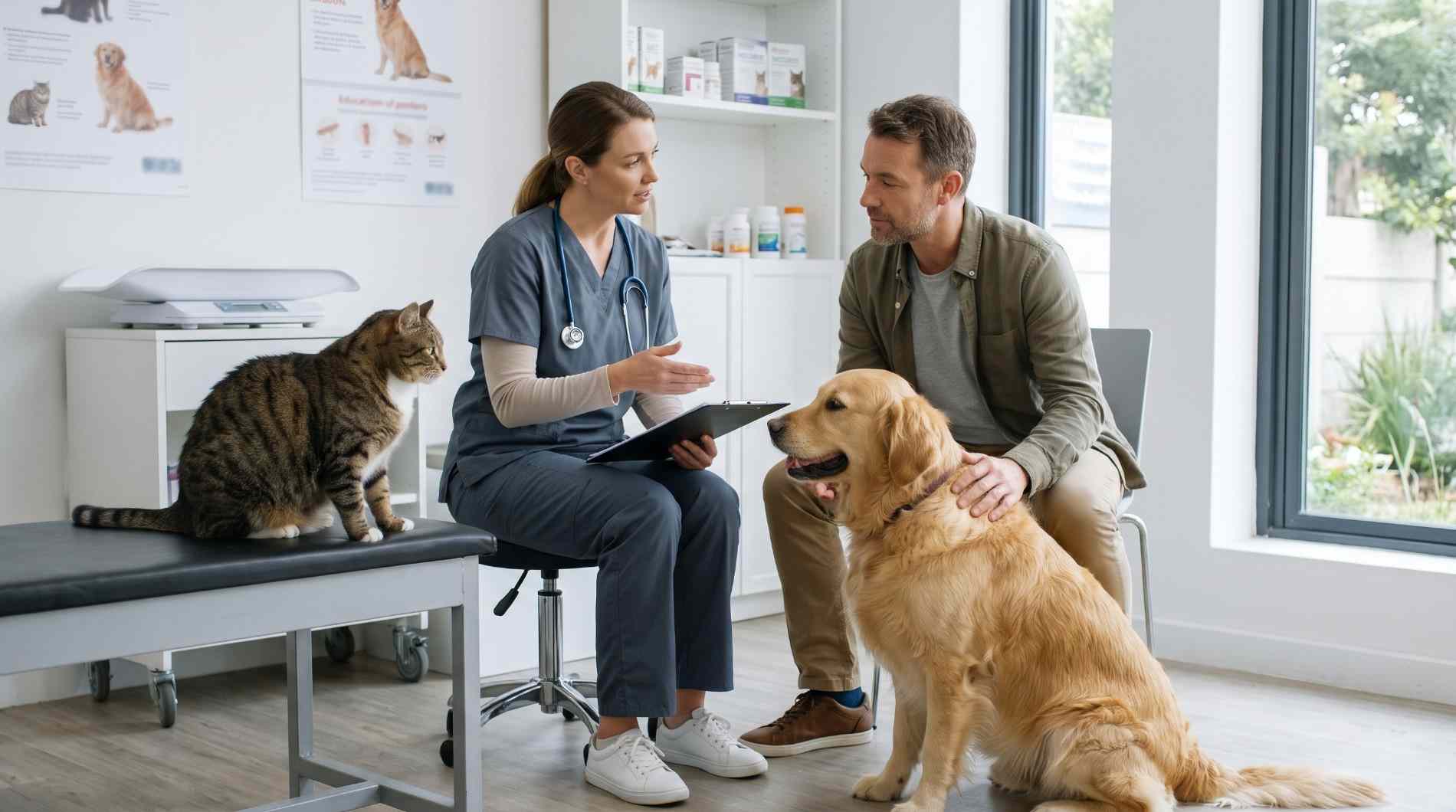
Start with a conversation with your veterinarian. They can review your pet’s diet, health history, current body condition, and activity level before recommending a realistic plan.
At home, a few habits can support that plan:
- Measure meals: Use the portion recommended for your pet rather than estimating by eye.
- Keep track of treats: Include snacks, chews, and table food when considering daily calorie intake.
- Choose suitable food: A veterinarian may recommend a weight-management diet that provides essential nutrients while controlling calories.
- Add activity gradually: Try short walks, interactive play, food puzzles, or other activities suited to your pet’s age and physical abilities.
- Monitor progress: Regular weigh-ins and veterinary checkups help show whether the plan needs adjusting.
Avoid drastic food restriction or crash diets. Cats, in particular, can develop serious health complications if they stop eating or lose weight too rapidly. Your veterinarian should guide calorie changes and monitor progress.
How Can You Maintain a Healthy Weight Long-Term?
Reaching a target weight is only part of the process. Keeping it off often means continuing the habits that helped your pet get there.
Make feeding routines consistent, encourage enjoyable movement, and help everyone in the household follow the same plan. You can still show affection without making every treat food-related. A favorite game, a gentle brushing session, or extra time together can be just as rewarding.
Learning more about pet nutrition and weight management can help you make informed choices while working with your veterinary team.
Take Our Course: “Obesity in Dogs and Cats”
Want to understand obesity in pets and how it relates to everyday care?
Our Obesity in Dogs and Cats course is a helpful next step for pet parents who want to build their knowledge of this important health topic and make more informed decisions for their companions.
Frequently Asked Questions
Can obesity affect a dog’s or cat’s health?
Yes. Excess weight is associated with problems such as reduced mobility, joint strain, and a higher risk of certain health conditions. Your veterinarian can explain the risks for your individual pet.
Should I feed my overweight pet less food?
Don’t make major reductions without veterinary guidance. Simply feeding much less of a regular diet can leave some pets short of essential nutrients. Your veterinarian can recommend suitable portions and food.
How much exercise does an overweight pet need?
It depends on your pet’s current fitness, age, and health. Start with activities your veterinarian considers safe and increase them gradually as your pet becomes more comfortable.
How long does it take for a pet to lose weight?
Weight loss often takes weeks or months, depending on how much weight your pet needs to lose and how they respond to the plan. Gradual, monitored progress is safer than trying to achieve rapid results.